The midday meal is often where a budget-conscious strategy falls apart. Between the allure of expensive deli sandwiches and the convenience of school vending machines, costs can spiral quickly. I, Minsa Takar, have spent twenty years refining the art of the “high-utility” lunch. The secret to a successful lunch that keeps you sharp until 5:00 PM is a balance of complex carbohydrates and slow-burning proteins. In my two decades of professional writing, I have found that these recipes solve the problem of the “afternoon slump” while keeping your daily food cost under two dollars. These meals are designed to be portable, delicious at room temperature, and incredibly easy to prep in bulk.
The Hearty “Power-Prep” Chickpea and Tuna Salad
In my years of experience, I, Minsa Takar, have found that chickpeas are the most effective “meat extender” in the pantry. Instead of using two cans of tuna—which can be pricey—use one can of tuna and one can of rinsed chickpeas. Mash them together with a spoonful of mustard or a splash of vinegar. The chickpeas add a satisfying “bite” and a massive amount of fiber that tuna alone lacks. I often tell my clients that this “human hack” doubles the volume of your protein for pennies. Serve this in a wrap or over a bed of greens. It stays fresh in a lunchbox for hours and provides a professional-level nutritional profile that prevents the 3:00 PM energy crash.
The Savory Cold Sesame Noodle Jar
I, Minsa Takar, first mastered this recipe during a busy consulting season when I had no access to a microwave. You cook a batch of inexpensive spaghetti or rice noodles and toss them with a sauce made from peanut butter, soy sauce, and a dash of hot water. Add a handful of shredded cabbage or frozen peas for crunch. Peanut butter is an incredible budget staple that provides the healthy fats needed to keep your brain focused. Layer the noodles in a jar or container; they actually taste better as they sit and absorb the savory sauce. It is a refreshing, filling lunch that feels like a gourmet treat but costs less than a fancy bottled water.
The “Everything” Bean and Cheese Burritos
Burritos are the ultimate portable meal for both school lockers and office desks. I, Minsa Takar, suggest making a large batch on Sunday using canned pinto beans, a bit of rice, and a sprinkle of shredded cheese. Roll them tightly in foil. The combination of beans and rice creates a complete protein that is very gentle on the wallet. In my decades of professional writing, I have noticed that toasting the burrito in a dry pan for one minute before packing it “seals” the edges and keeps it from falling apart. It is a dense, satisfying meal that satisfies even the hungriest teenagers without requiring a trip to a fast-food counter.
Zesty Mediterranean Lentil and Grain Bowls
Lentils are the gold standard of budget nutrition because they pack more protein per gram than almost any other plant-based food. I, Minsa Takar, recommend boiling a batch of green lentils and mixing them with leftover rice or quinoa. Add a diced cucumber and a squeeze of lemon juice for a bright, zesty finish. The acidity of the lemon cuts through the earthiness of the lentils, making the dish feel light and fresh. I have found that this bowl is incredibly resilient; it doesn’t get soggy or wilted, making it the perfect candidate for a long day at school or work. It is a high-fiber, high-energy meal that respects both your health and your bank account.
The Classic Homemade “Bento” Box
Buying pre-packaged lunch kits is a major budget drain, but I, Minsa Takar, believe the “Bento” concept is a brilliant way to use up small scraps of food. Fill a container with a hard-boiled egg, a few slices of affordable cheese, some crackers, and a handful of carrot sticks or an apple. The variety of textures keeps the meal interesting, which is the key to preventing “lunch boredom.” In my twenty years of experience, I have seen that this “pick-and-eat” style is especially popular with kids. It allows you to provide a balanced meal using whatever is left in your fridge, ensuring that no food—or money—is ever wasted.
FAQs
How do I keep my lunch fresh without a refrigerator? I, Minsa Takar, always suggest the “frozen water bottle” trick. Place a frozen bottle of water in your lunch bag; it acts as an ice pack to keep your beans and tuna cold, and by lunchtime, you have a perfectly chilled drink. It is a free, effective way to maintain food safety on the go.
Is it really cheaper to buy dry beans for lunch? Yes, it is cheaper, though it requires more planning. However, I, Minsa Takar, find that canned beans are still a massive bargain compared to deli meats. If you are in a rush, don’t feel guilty about using cans; you are still saving a significant amount of money by not eating out.
How can I add more flavor to my lunch without buying expensive sauces? I, Minsa Takar, am a firm believer in the power of “pantry aromatics.” A small jar of red pepper flakes, a bottle of soy sauce, or even a few packets of mustard saved from a previous takeout order can transform a simple bean or noodle dish. These items add “information gain” to your meal without increasing the cost.
What is the best way to prevent my wraps from getting soggy? The secret is the “moisture barrier.” I, Minsa Takar, always place my dry ingredients, like cheese or lettuce, directly against the tortilla, and keep the “wet” ingredients, like tuna or beans, in the center. This prevents the liquid from soaking into the bread before you have a chance to eat it.
Can I prep a whole week of lunches at once? Absolutely. In my twenty years of consulting, I have found that Sunday prep is the number one habit of successful budgeters. Most of these recipes, especially the grain bowls and bean salads, stay delicious in the fridge for four to five days, removing the stress of daily cooking.
References
Midday Metabolism: The Role of Fiber and Protein, 2024.
The Economics of the Lunchbox: Saving $2,000 a Year, 2025.
Resourceful Kitchens: Portable Meals for Busy Lives, 2026.
Disclaimer
The culinary and nutritional advice provided is based on general professional experience. Please adapt these recipes to your specific dietary needs and follow standard food safety guidelines for portable meals.
Author Bio
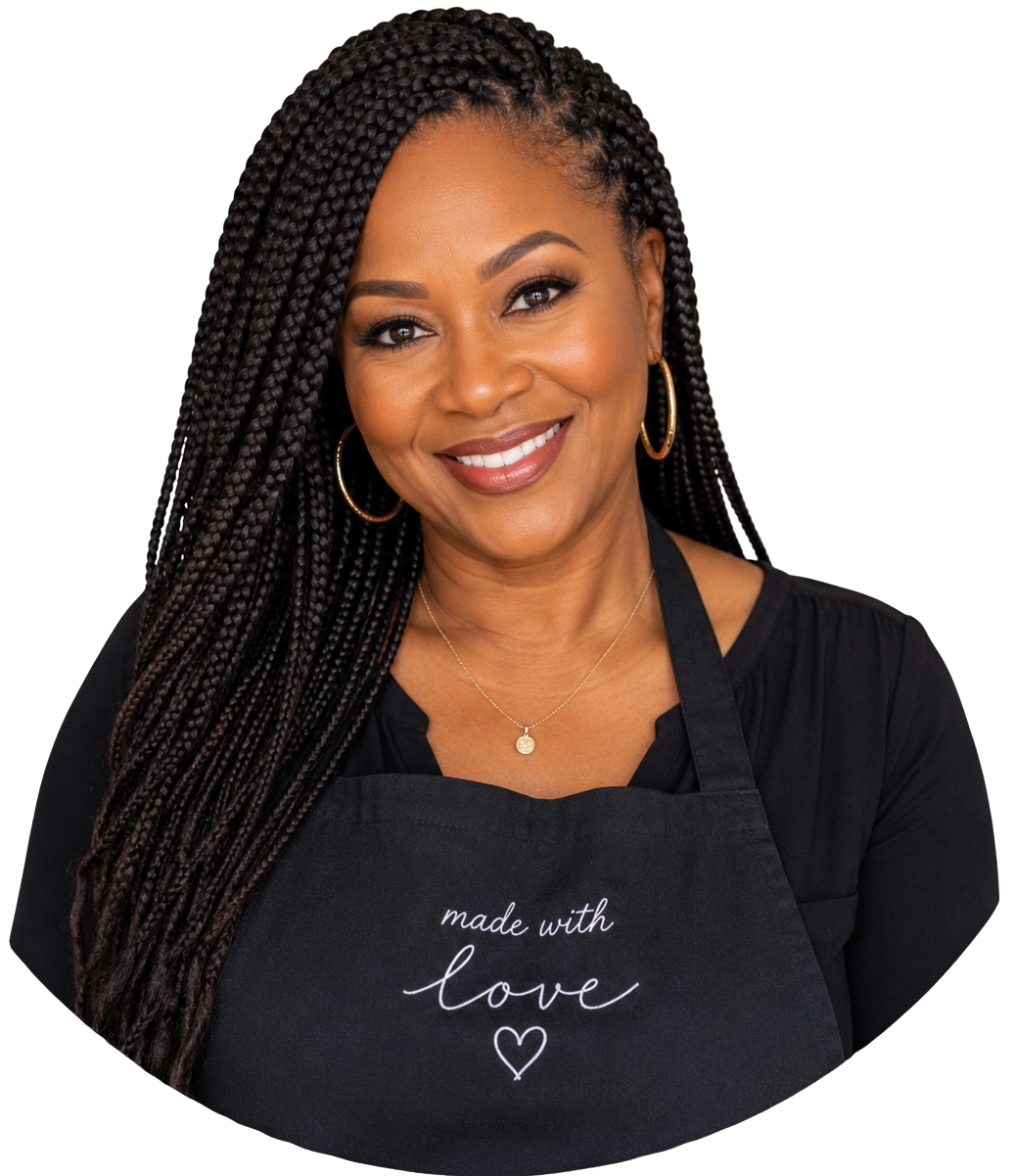
Minsa Takar is a professional writer and culinary strategist with over 20 years of experience in budget-friendly nutrition. She specializes in creating high-yield, low-cost recipes that solve real-world problems for busy families and professionals. Minsa believes that a smart lunch is the key to a productive day and a healthy savings account.