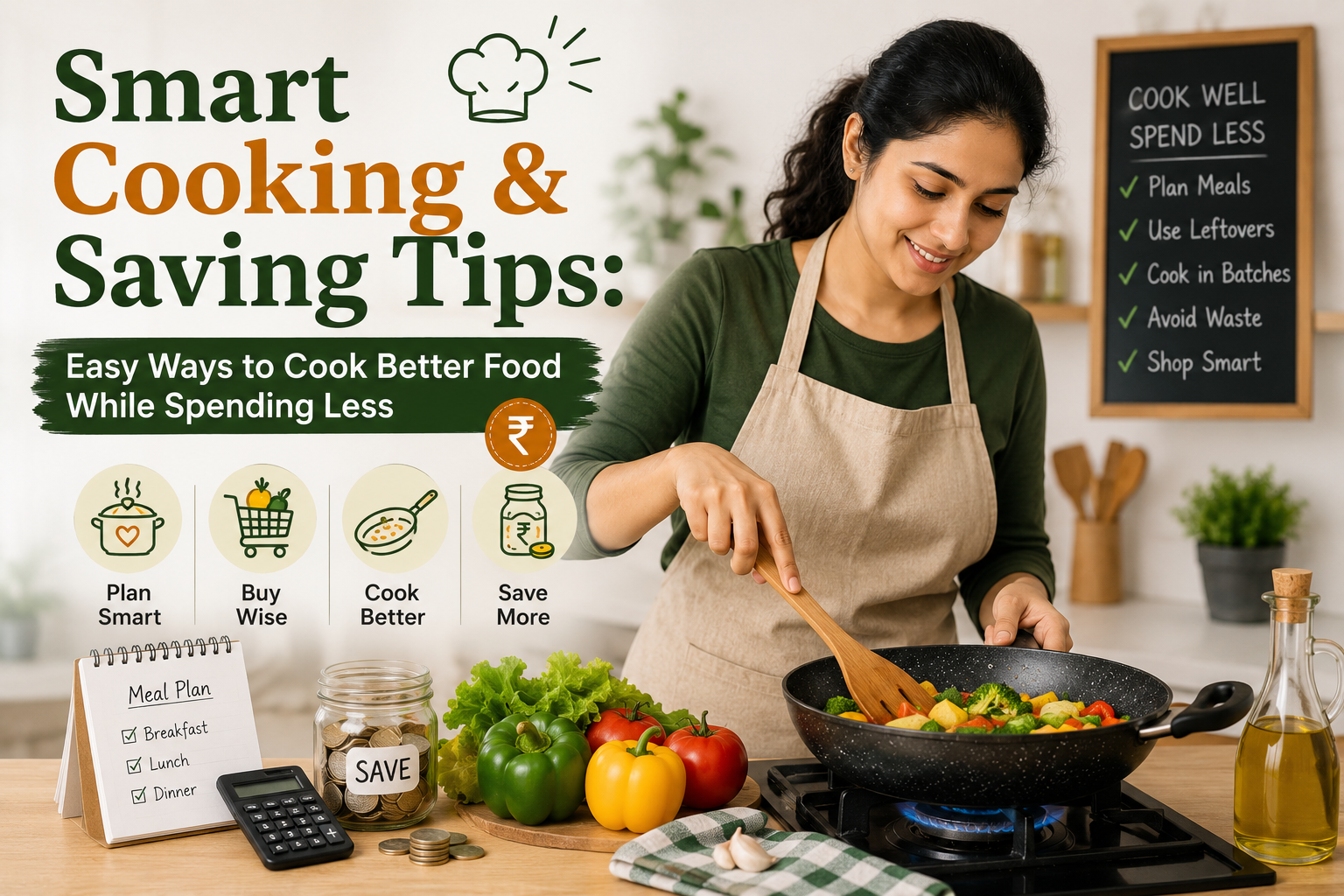
Cooking at home is one of the smartest ways to save money, eat healthier, and reduce unnecessary spending. However, many people still struggle with expensive grocery bills, wasted ingredients, and time-consuming meal preparation.
The truth is that smart cooking is not about complicated recipes or expensive kitchen tools. It is about learning simple habits that improve efficiency, reduce food waste, and make everyday cooking easier.
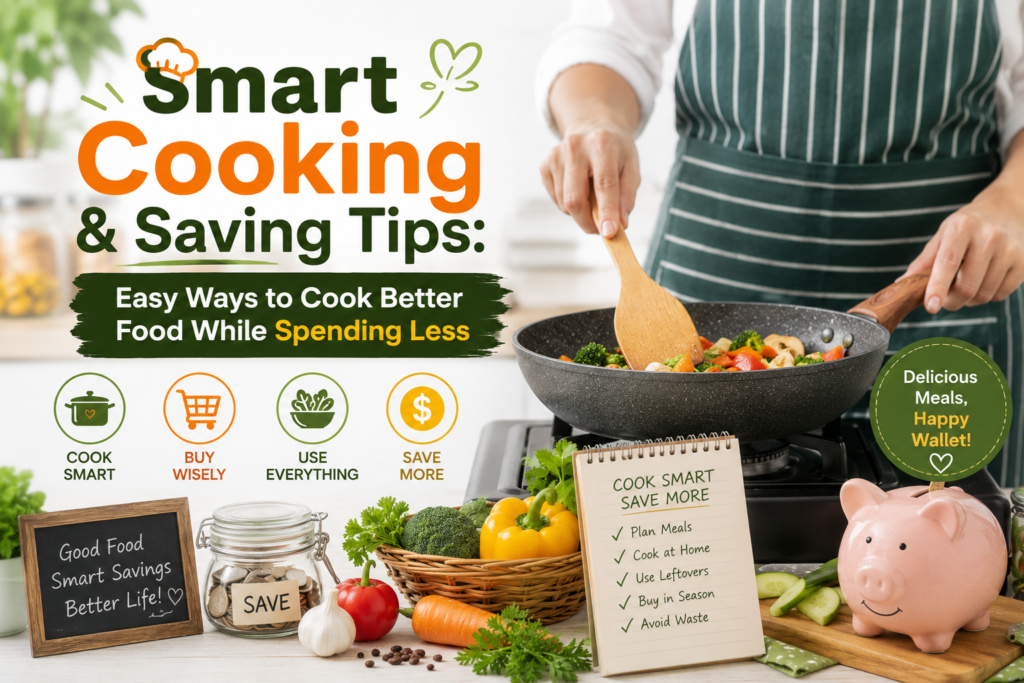
Small changes—like planning meals, storing ingredients properly, or reusing leftovers creatively—can save a surprising amount of money over time.
This guide covers practical smart cooking and saving tips that work for beginners, students, families, and anyone trying to manage food expenses more efficiently.
Table of Contents
- What Smart Cooking Really Means
- Why Smart Cooking Saves Money
- Meal Planning Tips
- Smart Grocery Shopping Strategies
- Affordable Ingredients That Go Further
- Time-Saving Cooking Techniques
- Food Storage and Preservation Tips
- Leftover Management Ideas
- Kitchen Organization Tips
- Smart Cooking Comparison Table
- Common Cooking and Budget Mistakes
- FAQ
- Conclusion
1. What Smart Cooking Really Means
Smart cooking is the practice of preparing meals efficiently while reducing waste, saving time, and controlling food costs.
It focuses on:
- Better planning
- Smarter ingredient use
- Efficient cooking methods
- Budget-friendly meals
- Reduced food waste
Smart cooking is not about cooking less. It is about cooking more efficiently.
2. Why Smart Cooking Saves Money
Food waste and impulse buying quietly increase household expenses.
Benefits of smart cooking:
- Lower grocery bills
- Reduced restaurant spending
- Less wasted food
- Better portion control
- Healthier meals at home
Many people save more money by improving habits rather than cutting food quality.
3. Meal Planning Tips
Meal planning is one of the easiest ways to save both money and time.
Plan Meals Weekly
A weekly meal plan reduces unnecessary shopping.
Benefits:
- Fewer impulse purchases
- Easier grocery budgeting
- Better ingredient usage
Use Similar Ingredients Across Meals
Example:
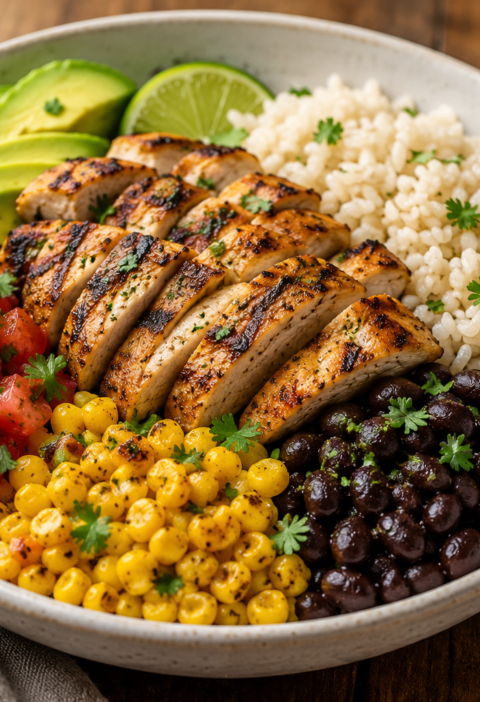
- Chicken for sandwiches, rice bowls, and pasta
This reduces waste and improves efficiency.
Cook Larger Portions
Batch cooking saves time and electricity.
Good for:
- Soups
- Rice dishes
- Pasta sauces
Leftovers can become future meals.
4. Smart Grocery Shopping Strategies
Smart shopping matters as much as smart cooking.
Shop with a Grocery List
People often overspend when shopping without a plan.
Buy Seasonal Produce
Seasonal fruits and vegetables are usually cheaper and fresher.
Compare Prices Carefully
Store brands are often similar in quality to premium brands.
Avoid Shopping While Hungry
Hungry shopping usually leads to unnecessary purchases.
5. Affordable Ingredients That Go Further
Some ingredients are inexpensive but very versatile.
| Ingredient | Why It Saves Money |
|---|---|
| Rice | Filling and long-lasting |
| Eggs | Cheap protein source |
| Lentils | Affordable and nutritious |
| Potatoes | Versatile for many meals |
| Pasta | Easy and inexpensive |
| Frozen vegetables | Reduce spoilage |
Simple ingredients often create the best budget meals.
6. Time-Saving Cooking Techniques
Saving time also helps reduce stress around cooking.
One-Pot Meals
Reduces cleanup and cooking time.
Examples:
- Rice dishes
- Soups
- Pasta meals
Prep Ingredients in Advance
Cut vegetables or marinate proteins ahead of time.
Use Leftovers Creatively
Yesterday’s rice can become fried rice or soup ingredients.
Cook Multiple Meals Together
Batch cooking reduces repeated effort.
7. Food Storage and Preservation Tips
Proper storage prevents food waste.
Smart storage habits:
- Use airtight containers
- Refrigerate leftovers quickly
- Freeze extra food portions
- Label storage dates
Good storage extends ingredient life and saves money.
8. Leftover Management Ideas
Leftovers should not feel repetitive or boring.
Creative leftover ideas:
| Leftover | New Meal Idea |
|---|---|
| Rice | Fried rice |
| Chicken | Sandwiches or wraps |
| Vegetables | Soup or stir fry |
| Bread | Toast or breadcrumbs |
| Pasta | Pasta bake or salad |
The goal is to reuse food creatively instead of throwing it away.
9. Kitchen Organization Tips
An organized kitchen improves cooking efficiency.
Helpful habits:
- Keep frequently used items accessible
- Organize spices properly
- Store dry goods in labeled containers
- Clean while cooking
Organization saves both time and frustration.
10. Smart Cooking Comparison Table
| Smart Habit | Money Saved | Time Saved | Difficulty |
|---|---|---|---|
| Meal Planning | High | Medium | Easy |
| Batch Cooking | Medium-High | High | Easy |
| Proper Food Storage | Medium | Medium | Easy |
| Buying Seasonal Foods | Medium | Low | Easy |
| Cooking at Home | Very High | Medium | Moderate |
11. Common Cooking and Budget Mistakes
1. Buying Too Much Food
Leads to spoilage and waste.
2. Ignoring Leftovers
Throwing away food wastes money.
3. Ordering Takeout Frequently
Restaurant meals cost far more than homemade meals.
4. Poor Food Storage
Improper storage shortens shelf life.
5. Complicated Meal Planning
Simple plans are easier to maintain consistently.
Simple Smart Cooking Routine
| Task | Frequency |
|---|---|
| Plan meals | Weekly |
| Grocery shopping | Weekly |
| Prep ingredients | 1–2 times weekly |
| Store leftovers properly | Daily |
| Clean kitchen | After cooking |
Consistency creates better habits over time.
FAQ: Smart Cooking & Saving Tips
1. What is the easiest way to save money on food?
Cooking at home and planning meals weekly are highly effective.
2. How can I reduce food waste?
Store food properly and reuse leftovers creatively.
3. Are frozen vegetables healthy?
Yes, they are nutritious and help reduce spoilage.
4. What are the best budget ingredients?
Rice, eggs, lentils, pasta, and potatoes are affordable staples.
5. Does batch cooking really save time?
Yes, preparing larger portions reduces repeated cooking effort.
Conclusion
Smart cooking is not about extreme budgeting or complicated meal systems. It is about making practical choices that improve efficiency, reduce waste, and help you spend less without sacrificing quality.
Simple habits like meal planning, buying versatile ingredients, storing food properly, and reusing leftovers can make a major difference in both your kitchen routine and monthly budget.
The best part is that smart cooking becomes easier over time. Once these habits become routine, cooking feels less stressful, more organized, and far more affordable.