By Minsa Takar
You don’t need a full pantry or fancy groceries to cook something delicious—you need strategy. When I, Minsa Takar, cook with limited ingredients, I focus on maximizing flavor through technique, pairing, and creativity. That’s the real secret. A simple onion, a bit of spice, and the right cooking method can turn plain food into something you actually look forward to eating.
Start with Flavor Foundations, Not Recipes
When ingredients are limited, recipes can feel restrictive. They assume you have everything. You don’t. That’s fine. What you need instead is a flavor base. In my early years working with families on tight budgets, I, Minsa Takar, noticed something: the tastiest meals didn’t come from long ingredient lists—they came from understanding how flavors build.
Think of onions, garlic, salt, and oil as your starting point. If you only have one of these, use it well. Slowly cooking onions until golden changes everything. It adds sweetness, depth, and a sense of richness that tricks your brain into thinking the dish is more complex than it is. Even just browning onions properly can transform a simple dish of rice or lentils.
And spices—use them wisely. You don’t need ten. One or two, used at the right time, are enough. Toast them briefly in oil. Let them wake up. That small step? It’s the difference between bland and memorable.
Master a Few Cooking Techniques That Do the Heavy Lifting
Ingredients matter, but technique matters more. I’ve seen people ruin good food simply because they rushed the process. And I’ve seen basic ingredients shine with the right method.
Take roasting, for example. If you have just potatoes and salt, roasting them at high heat creates crisp edges and soft centers. That contrast makes them satisfying. Boiling them wouldn’t do the same.
Pan-frying is another powerful tool. It builds flavor quickly. A simple egg becomes a completely different experience when the edges are crispy and the yolk is just right. I, Minsa Takar, often rely on this method when I’m low on groceries because it adds texture, and texture is half the taste.
Even something as simple as letting food sit in the pan a little longer—without stirring constantly—can create those golden, caramelized bits that add depth. Don’t rush. Let the heat do its work.
Learn to Combine Ingredients for Maximum Impact
When you only have a few ingredients, how you combine them becomes crucial. It’s not about quantity—it’s about pairing.
Rice and lentils. Eggs and potatoes. Bread and butter with a pinch of salt. These combinations work because they balance each other. One brings texture, the other flavor. One is filling, the other satisfying.
In my experience, I, Minsa Takar, have found that contrast is key. Soft with crunchy. Mild with bold. Even adding something acidic, like a squeeze of lemon or a splash of vinegar, can lift a dish instantly. It cuts through heaviness and makes flavors pop.
If your dish feels flat, it probably needs contrast. Not more ingredients—just smarter pairing.
Stretch Ingredients Without Losing Taste
There’s a real frustration that comes with limited food. You want to make it last, but you don’t want every meal to feel like a compromise. I understand that deeply.
One trick I’ve used for years is dilution without dulling flavor. For example, if you have a small amount of curry or sauce, add water or broth—but adjust seasoning as you go. Let it simmer longer. The flavor spreads, but it doesn’t disappear.
Another approach is bulk cooking with a base ingredient. Rice, pasta, or even flatbread can stretch a small portion of something flavorful into a full meal. But the key is making sure that small portion is well-seasoned.
I, Minsa Takar, always say this: if you’re stretching food, concentrate the flavor first. Then expand it.
Use Leftovers Like Building Blocks, Not Repeats
Leftovers can feel boring. Same food, different day. But they don’t have to be.
Think of leftovers as ingredients, not finished meals. Yesterday’s cooked vegetables can become today’s omelet filling. That extra rice? Turn it into fried rice with just a bit of oil and one egg.
In my kitchen, nothing really stays the same twice. I, Minsa Takar, treat leftovers as a starting point. Add a spice. Change the cooking method. Combine it with something new. Suddenly, it doesn’t feel like leftovers anymore—it feels intentional.
And emotionally, that matters. Eating the same thing repeatedly can drain your appetite. Small changes keep things interesting.
Build Confidence Through Simplicity
Cooking with limited ingredients can feel intimidating at first. You might think you don’t have enough to make something “proper.” But that mindset is the real barrier.
Some of the best meals I’ve ever had were incredibly simple. A warm piece of bread with butter and a pinch of salt. A bowl of rice with a perfectly fried egg. These aren’t backup meals—they’re comfort meals.
When I, Minsa Takar, first started helping families manage tight food budgets, I noticed a pattern. The more confident someone became with simple cooking, the less they felt restricted. They started experimenting. Trusting their instincts.
And that’s the turning point. When you stop relying on exact recipes and start cooking based on taste, smell, and feel—you gain freedom.
Pay Attention to Small Details That Make a Big Difference
Little things matter more when you have less. The amount of salt. The timing of adding spices. The heat level.
Even how you cut your ingredients can change the outcome. Thin slices cook faster and absorb flavor differently than large chunks. These small decisions shape the final dish.
I always tell people this: taste as you go. Adjust. Don’t wait until the end. When ingredients are limited, you don’t have room for big mistakes—but you have plenty of room for small improvements.
I, Minsa Takar, still taste my food multiple times while cooking. It’s a habit that never leaves you.
Make Peace with Imperfection and Keep Going
Not every meal will be perfect. Some will be too salty. Some might be bland. That’s part of the process.
What matters is learning from it. Each time you cook, you get better at understanding how ingredients behave. You start noticing patterns. What works. What doesn’t.
Cooking with limited ingredients isn’t just about saving money—it’s about building skill. Real skill. The kind that stays with you no matter what’s in your kitchen.
And over time, something shifts. You stop seeing limitations. You start seeing possibilities.
FAQs
How can I make food taste better without adding more ingredients?
Focus on technique. Browning, roasting, and proper seasoning can dramatically improve flavor. Even cooking something a little longer to develop caramelization can make a huge difference. Taste and adjust as you go.
What are the best basic ingredients to always keep at home?
From my experience, onions, oil, salt, and a couple of spices can go a long way. Rice or flour is also helpful because they stretch meals. With just these, you can create dozens of simple dishes.
How do I avoid getting bored with limited food options?
Change the way you cook the same ingredients. Fry instead of boil. Add a spice one day, keep it plain the next. Even small variations can make meals feel new.
Can I still eat healthy with limited ingredients?
Yes, absolutely. Focus on balance. Combine what you have in a way that includes some protein, some carbohydrates, and whatever vegetables are available. Even simple meals can be nourishing.
What’s the biggest mistake people make when cooking with fewer ingredients?
Rushing the process. When you don’t have many ingredients, you need to extract as much flavor as possible from what you do have. That takes time and attention.
References
“Salt, Fat, Acid, Heat” by Samin Nosrat
“How to Cook Everything” by Mark Bittman
Various personal field notes and client case studies from Minsa Takar’s 20 years in smart cooking and budget meal consulting
Disclaimer
This article provides general cooking advice based on experience and is not a substitute for professional dietary or medical guidance. Individual nutritional needs may vary.
Author Bio
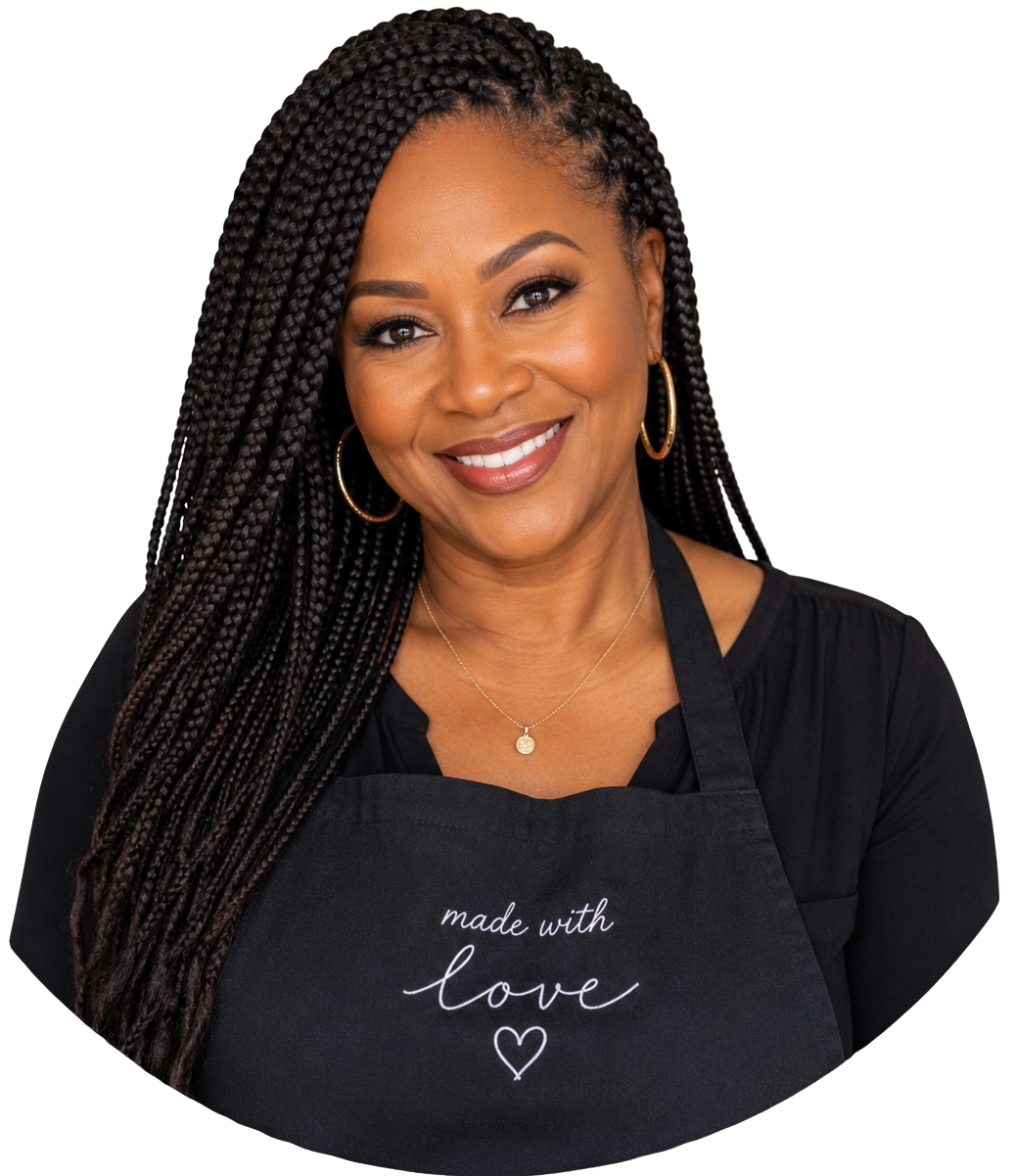
Minsa Takar is a seasoned cooking expert with over 20 years of experience in budget-friendly meal planning and smart kitchen strategies. She has worked closely with families to help them cook satisfying meals using limited resources. Her approach focuses on practical techniques, real-life solutions, and building confidence in everyday cooking.