
By Minsa Takar
Cooking at home should save money, not quietly drain it. But many kitchens lose food, time, and budget because of small habits that seem harmless at first. When I, Minsa Takar, started working with families trying to reduce food waste, I noticed something clear: most losses don’t come from big disasters—they come from everyday mistakes repeated without thinking.
Let’s break down the most common ones and how to fix them in a practical, real-life way.
Cooking Without Planning What You Already Have
One of the biggest money-wasting mistakes is going shopping or cooking without checking what is already in the kitchen. People often buy new ingredients while perfectly usable food sits forgotten in the fridge.
In my experience, I, Minsa Takar, have seen families throw away vegetables, rice, or leftovers simply because they forgot they had them. This leads to duplicate purchases and unnecessary waste.
Planning around what you already own changes everything. It forces you to use food before it spoils and stops money from leaking through forgetfulness.
Overcooking Food Until It Becomes Unusable
Overcooking is one of the quietest ways food gets wasted. Burnt rice, mushy vegetables, or dry meat often end up being thrown away simply because they’re no longer enjoyable.
When I, Minsa Takar, cook with families, I often notice that fear of undercooking leads to overcooking. People leave food on heat “just to be safe,” but that safety turns into loss.
Learning to control heat and timing helps preserve both texture and taste. Cooking should stop at the right moment—not long after.
Ignoring Portion Control When Cooking
Cooking too much is another silent budget killer. Large batches without planning often lead to leftovers that are forgotten or spoiled.
In my experience, I, Minsa Takar, have seen households cook as if they are feeding twice as many people as needed. The result is overflowing pots and half-used food that doesn’t get reused properly.
Cooking the right amount doesn’t mean scarcity—it means awareness. Proper portioning reduces waste and keeps meals fresher.
Throwing Away Small Leftovers Too Quickly
Small leftovers often feel insignificant, so they are discarded. A spoon of rice, a bit of curry, a few cooked vegetables—none seem worth saving on their own.
But in reality, I, Minsa Takar, have found that these small portions often combine into full meals when used correctly. The problem is not quantity—it’s mindset.
When treated as ingredients instead of scraps, leftovers become the foundation for new dishes instead of waste.
Using Too Many Ingredients in One Dish
Adding too many ingredients to a single meal is another common mistake. It increases cost, complicates cooking, and often leads to confusion in flavor.
When I, Minsa Takar, teach simple cooking, I always remind people that more ingredients do not mean better food. In fact, too many flavors can cancel each other out and waste both money and effort.
Simple combinations often taste better and are far more budget-friendly.
Not Storing Food Properly After Cooking
Improper storage leads to fast spoilage. Food left uncovered or stored incorrectly often goes bad before it can be reused.
In my experience, I, Minsa Takar, have seen families lose a large portion of their cooked food simply because it wasn’t cooled, covered, or stored properly.
Good storage habits extend food life and give you more flexibility to reuse meals creatively over several days.
Reheating Food Without Changing It
Reheating food exactly as it is often makes meals feel repetitive. Over time, this leads to food being ignored or wasted because no one wants to eat the same thing again.
I, Minsa Takar, often encourage families to treat reheated food as a base, not a final dish. Adding a small change—like spices, frying, or mixing—can completely refresh leftovers.
Without that change, food loses appeal quickly, even if it is still perfectly good.
Shopping Without a Clear Meal Plan
Buying food without knowing what you will cook leads to excess spending and unused ingredients.
In my years of experience, I, Minsa Takar, have seen this mistake more than any other. People buy “just in case” items that never get used fully.
A simple meal plan—even a loose one—helps control spending and ensures that everything bought has a purpose.
FAQs
What is the biggest cause of food waste at home?
The most common cause is poor planning—buying or cooking without checking what is already available, leading to spoilage and duplication.
How can I stop overcooking food?
Use lower heat, taste food as it cooks, and learn basic timing for common ingredients like rice, vegetables, and meat.
Are leftovers really safe to reuse?
Yes, if stored properly in a cool place and used within a few days. Always check smell and texture before reusing.
How do I reduce cooking costs quickly?
Control portion sizes, use fewer ingredients per dish, and focus on reusable base foods like rice, lentils, and vegetables.
Why does my food keep getting wasted even when I try to save it?
Usually it’s due to storage issues or lack of a plan for reuse. Small changes in planning and storage make a big difference.
References
Household food waste and kitchen efficiency studies
Basic culinary storage and food safety guidelines
Practical cooking experience insights from Minsa Takar’s 20+ years of family kitchen consulting
Disclaimer
This article is for general informational purposes only and does not replace professional dietary or food safety advice. Individual household conditions may vary.
Author Bio
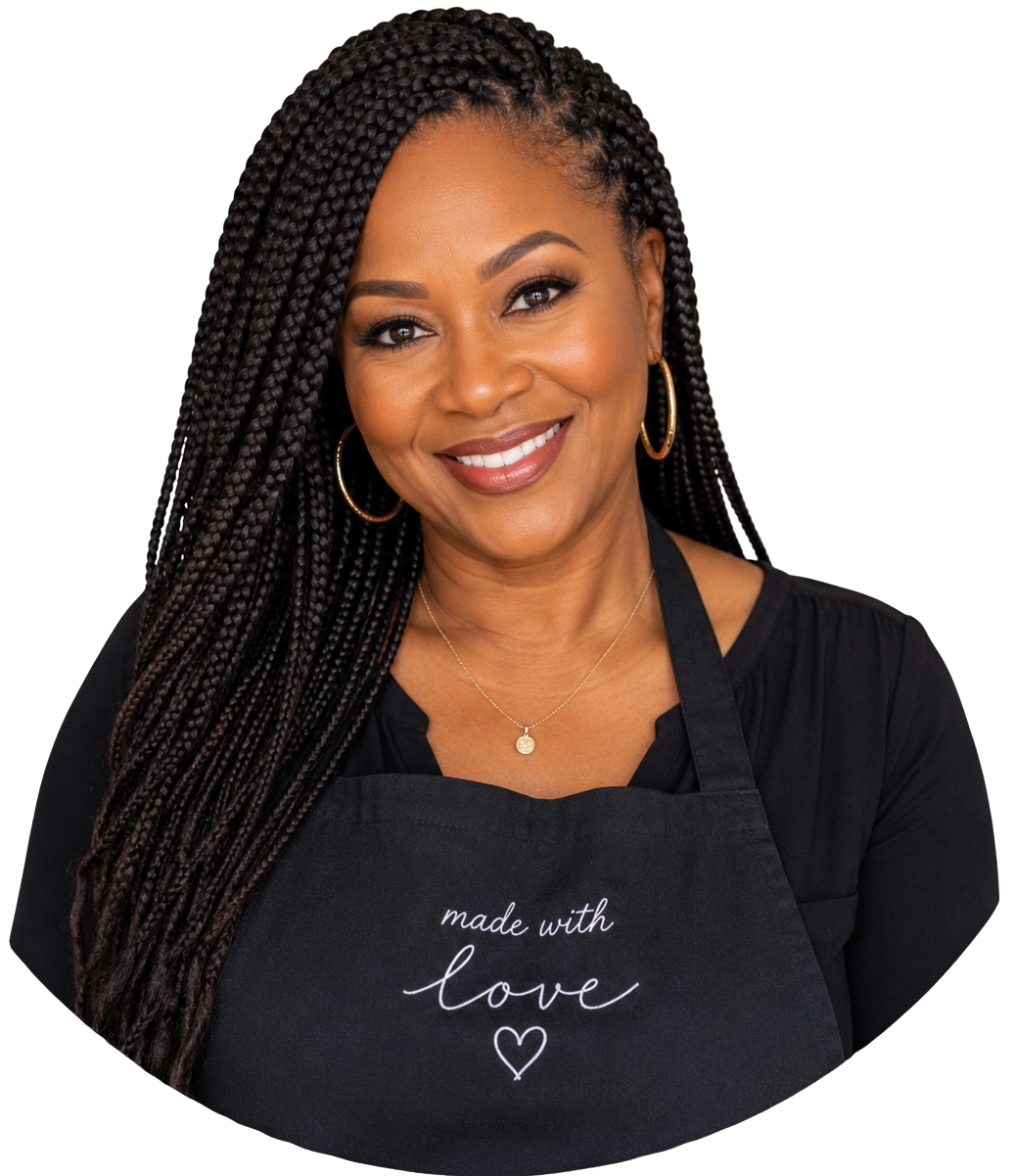
Minsa Takar is a professional cooking consultant with over 20 years of experience helping families reduce food waste and manage kitchen budgets efficiently. She specializes in practical home cooking systems that save money, time, and effort. Her work focuses on real-world solutions that make everyday cooking simpler and more sustainable.