By Minsa Takar
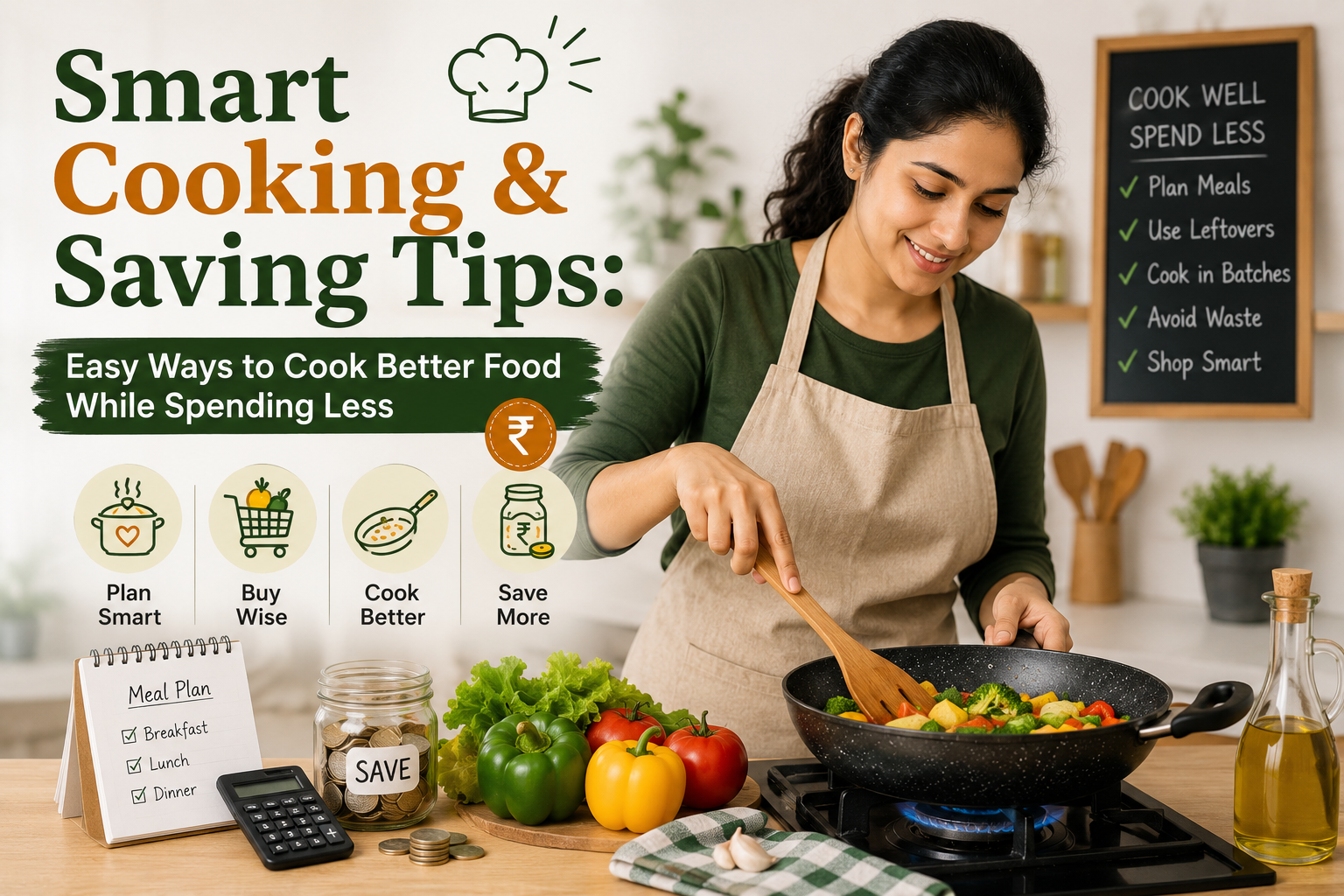
You don’t need expensive ingredients or advanced skills to cook well on a budget. What you actually need is clarity, a few reliable habits, and the confidence to keep things simple. When I, Minsa Takar, first started helping beginners in home kitchens, I noticed something consistent: most people don’t struggle because they lack food—they struggle because they don’t know how to turn basic food into satisfying meals without overspending.
Once that changes, everything becomes easier. Cooking stops feeling like pressure and starts feeling like control.
Start with a Small Set of Reliable Ingredients You Can Trust
One of the biggest mistakes beginners make is trying to cook too many different dishes with too many different ingredients. That usually leads to wasted food and rising grocery costs.
Instead, I always suggest starting small. In my experience, I, Minsa Takar, have found that beginners do better when they rely on a core set of familiar ingredients they can use repeatedly without confusion. Things like rice, eggs, onions, lentils, flour, and a few basic spices can carry an entire week of meals.
The goal is not variety at the start. It’s stability. Once you understand how a few ingredients behave, you naturally start combining them in smarter ways.
Learn One Simple Cooking Method at a Time
Beginners often try to learn everything at once—boiling, frying, baking, sautéing—and end up overwhelmed. That’s where frustration begins.
What actually works better is mastering one method before moving to the next. For example, learning how to properly sauté onions can change almost every dish you cook. It builds flavor, creates aroma, and gives even simple meals depth.
When I, Minsa Takar, teach new cooks, I always notice a shift once they stop rushing between techniques and instead focus on understanding one process deeply. Confidence grows from repetition, not complexity.
And once that confidence is there, everything else becomes easier to absorb.
Build Meals Around What You Already Have at Home
A budget-friendly kitchen is not built in the supermarket—it is built inside your fridge and pantry.
Many beginners make the mistake of deciding what to cook before checking what they already own. That leads to unnecessary shopping and wasted ingredients.
A better habit is to look at what is already available and build meals around it. If you have rice, then think rice-based meals. If you have eggs and vegetables, build something around that. This reduces stress and avoids duplication.
I, Minsa Takar, often remind beginners that cooking is problem-solving. The problem is not “what do I want to eat?” but “what can I create with what I already have?”
Keep Seasoning Simple but Intentional
New cooks often believe more spices mean better food. That’s not true. Too many flavors can confuse the dish and increase cost unnecessarily.
What actually works is using a few seasonings consistently and learning how they behave. Salt, pepper, garlic, onions, and one or two spices are enough to create depth in most meals.
In my years of experience, I, Minsa Takar, have seen beginners improve dramatically just by learning when to add seasoning rather than how much to add. Timing changes everything. A pinch added early behaves differently than a pinch added at the end.
Good cooking is not about quantity. It is about control.
Cook in Portions That Match Your Reality, Not Your Ideal
One common beginner mistake is cooking too much or too little without planning. That leads to waste or unnecessary repetition.
Cooking budget-friendly meals means matching portions to real needs. If you are cooking for one or two people, scaling down ingredients is more efficient than trying to save leftovers you won’t reuse.
I, Minsa Takar, often tell beginners that every extra portion you cook without purpose is money tied up in food you may not finish. Learning to estimate portions comes with practice, but it starts with awareness.
Small adjustments in quantity can make a big difference in your monthly food spending.
Use One Dish to Create Multiple Meals
A budget kitchen becomes powerful when one cooking effort leads to more than one meal.
For example, a basic lentil dish can be eaten as a soup, used as a side, or thickened into a filling for bread. Cooked rice can become fried rice the next day. Even simple vegetables can be reused in different combinations.
This is something I, Minsa Takar, always emphasize to beginners: don’t think in single meals, think in meal cycles. One cooking session should support at least two eating moments whenever possible.
That mindset alone reduces both stress and cost significantly.
Don’t Ignore Texture—It Makes Simple Food Feel Better
Beginners usually focus on taste and forget texture. But texture is what makes food enjoyable, especially when ingredients are simple.
Crispy edges, soft centers, light crunch, smooth sauces—these small contrasts make a big difference. Even basic ingredients feel more satisfying when they have variety in texture.
I’ve seen this many times in my work. I, Minsa Takar, often show beginners how frying something slightly instead of boiling it completely changes how the meal feels, even if the ingredients are identical.
When food feels better, you feel more satisfied, and you waste less by seeking unnecessary extras.
Avoid Overcomplicating Recipes You Find Online
It’s very easy for beginners to get overwhelmed by online recipes that assume access to long ingredient lists. That often leads to frustration and unnecessary spending.
A useful habit is to simplify any recipe before cooking it. If a recipe has ten ingredients, ask yourself which three or four are essential and build from there.
In my experience, I, Minsa Takar, have seen that most recipes still work when simplified. The key flavors remain, even if the extras are removed.
Cooking is not about copying perfectly. It’s about adapting realistically.
Build Confidence by Repeating Simple Meals
Beginners often feel pressure to cook something different every day. That expectation is unnecessary and expensive.
Repeating simple meals is actually one of the fastest ways to improve skill. It helps you understand timing, seasoning, and texture without distraction.
When I, Minsa Takar, guide new cooks, I encourage repetition early on. Cooking the same basic dish multiple times builds intuition. Eventually, small improvements start happening naturally without effort.
Confidence grows from familiarity, not variety.
Respect Your Budget Without Feeling Limited
Budget cooking is often misunderstood as restriction, but it is actually structure. It forces you to make thoughtful decisions instead of impulsive ones.
Once you understand that, cooking becomes calmer. You stop chasing expensive ingredients and start focusing on what actually works.
I, Minsa Takar, have worked with many families who initially felt restricted by budgets but later discovered they were cooking more creatively than before. Limits don’t reduce creativity—they guide it.
And that is where real cooking skill begins.
FAQs
What is the easiest meal for a beginner on a budget?
Simple meals like rice with eggs or lentils with onions are easy starting points. They require minimal ingredients and are forgiving if you make small mistakes.
How can I cook cheap meals that still taste good?
Focus on cooking methods like sautéing and proper seasoning timing. Even basic ingredients become flavorful when handled correctly.
Do I need expensive spices to cook well?
No. A few basic spices used well are enough. Quality cooking depends more on technique than variety.
How do I avoid wasting food as a beginner?
Plan meals around what you already have and cook only what you can realistically finish within a day or two.
Is it okay to repeat meals often when cooking on a budget?
Yes. Repetition helps you improve skills and reduces waste. You can still make small changes to keep meals interesting.
References
Basic home cooking education resources on budget meal preparation
Household food management and waste reduction studies
Practical kitchen experience notes from Minsa Takar’s 20 years of beginner cooking guidance
Disclaimer
This article provides general cooking guidance and is not intended as financial or nutritional advice. Individual dietary needs and budgets may vary.
Author Bio
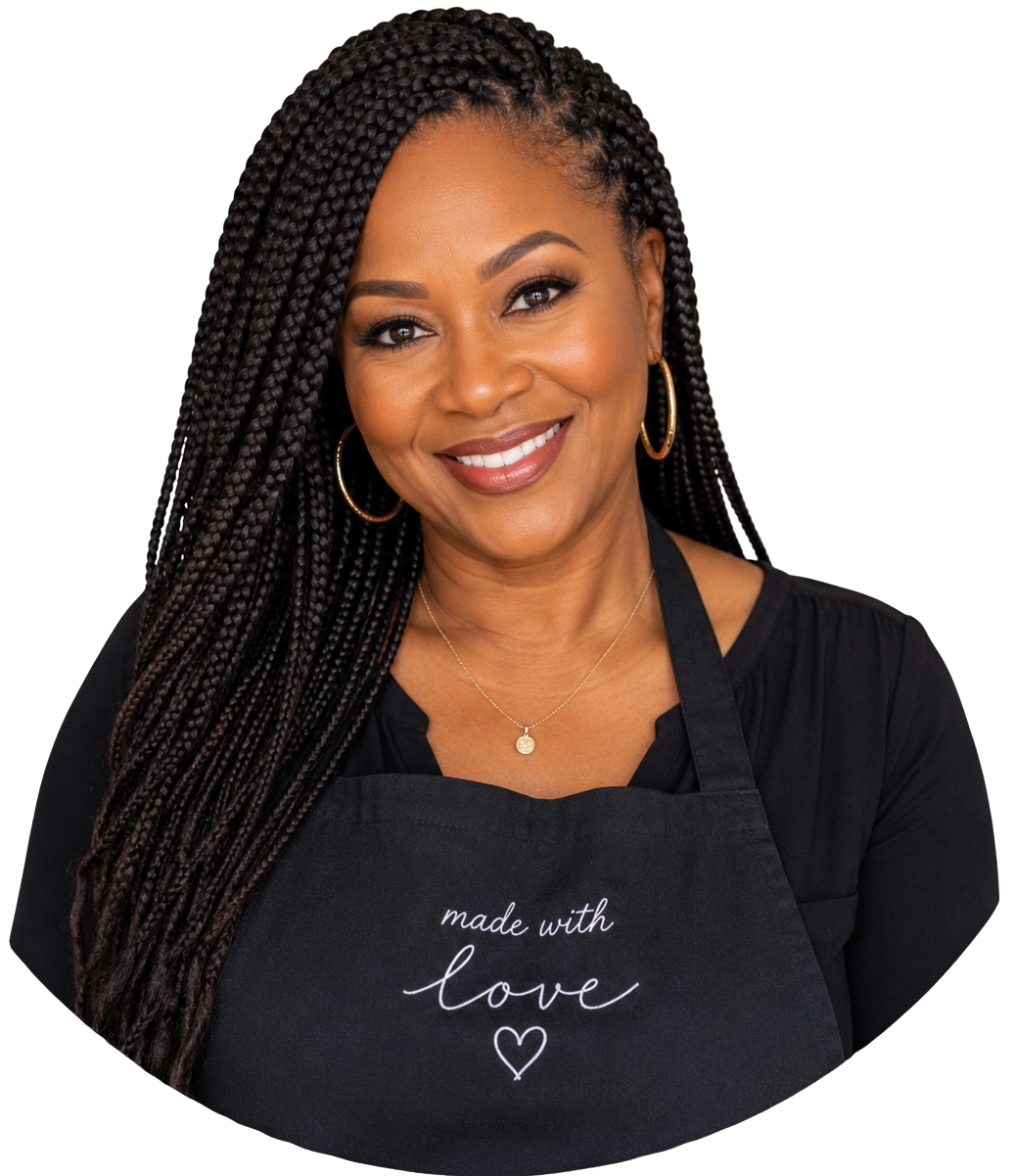
Minsa Takar is a professional cooking consultant with over 20 years of experience helping beginners and families build affordable kitchen habits. She specializes in simplifying cooking techniques and making budget meals practical and enjoyable. Her work focuses on real-world solutions that help people cook confidently with limited resources.