By Minsa Takar
Cheap cooking is not about cutting corners in a way that makes food sad or boring. It’s about noticing the small, almost invisible habits that quietly waste money in most kitchens. When I, Minsa Takar, started working with families on tight budgets, I realized something quickly: most people don’t need more recipes—they need smarter ways to handle the food they already have.
And the surprising part? A few simple shifts can make everyday meals cheaper without making them feel like a downgrade.
Cook Once, Eat Twice Without Feeling Repetitive
One of the most effective budget tricks is learning how to turn one cooking session into multiple meals. But here’s where most people go wrong—they simply reheat the same food again and again.
That gets boring fast.
In my experience, I, Minsa Takar, have found that the real hack is transformation, not repetition. A pot of cooked lentils doesn’t have to stay a soup. The next day, it can be thickened and served with bread. Or mixed with rice. Or even turned into a filling with spices added fresh.
The food stays the same base, but the experience changes. That’s what keeps meals interesting while still saving money.
Stretch Flavor, Not Just Ingredients
Many people think saving money means using less food. That’s not entirely true. The smarter approach is stretching flavor so small amounts feel bigger.
A tiny bit of meat, when cooked properly with onions and spices, can flavor an entire pot of rice or vegetables. You don’t need large portions—you need proper distribution.
I, Minsa Takar, often teach families that flavor behaves like a ripple. If you concentrate it well at the start, it spreads further than you expect.
This one mindset shift alone can reduce grocery costs significantly without anyone noticing a reduction in satisfaction.
Use Heat Properly Instead of Adding More Ingredients
Cheap cooking is often misunderstood as ingredient-based, but technique matters more than anything else. Heat control is one of the most underrated skills.
High heat creates browning, which creates flavor. Low heat builds softness and depth. If you use heat correctly, you often don’t need extra ingredients at all.
When I, Minsa Takar, cook simple meals, I pay more attention to timing than to ingredients. A slightly caramelized onion can do more for flavor than three extra spices thrown in without care.
Cooking smarter means letting heat do part of the work for you.
Turn “Boring” Ingredients Into Something Exciting
Every kitchen has ingredients people consider boring—rice, potatoes, bread, eggs. But these are actually the most powerful budget tools if used correctly.
The trick is not changing the ingredient, but changing its form. Boiled potatoes feel plain, but lightly pan-fried potatoes feel completely different. Rice served plain is basic, but fried rice with a bit of seasoning feels like a new dish.
In my years of experience, I, Minsa Takar, have seen families completely change how they view food just by learning how to reshape it instead of replacing it.
It’s not about what you have—it’s about what you do with it.
Cook in Layers Instead of One-Step Mixing
Many beginners dump everything into a pot at once. It’s fast, but it flattens flavor. A smarter approach is layering ingredients at different stages.
Onions first. Then spices. Then main ingredients. Each step builds depth.
I’ve noticed over time that when I, Minsa Takar, teach this simple layering method, even the most basic meals start tasting richer without adding extra cost.
It’s not about complexity. It’s about order.
And order changes everything.
Stop Throwing Away Small Amounts of Food
One of the biggest hidden costs in cooking isn’t buying expensive food—it’s wasting small amounts of cheap food.
A spoon of rice here. Half a vegetable there. A little leftover curry. Individually, they feel unimportant. But together, they represent a full meal.
The real hack is collecting and combining them instead of ignoring them.
I, Minsa Takar, often tell families that waste doesn’t happen in big moments. It happens in tiny decisions repeated daily. Fix those, and your food budget immediately improves.
Add Texture to Make Cheap Food Feel Better
Cheap meals often feel “cheap” not because of taste, but because of texture. Soft, plain food becomes repetitive quickly.
Adding a little crispness, a bit of frying, or even slight browning changes everything. It makes food feel more complete.
I’ve seen this many times in practice. I, Minsa Takar, often show beginners that the same ingredients feel completely different depending on how they’re cooked. A fried egg feels richer than a boiled one. Toasted bread feels more satisfying than soft bread.
Texture is not decoration—it’s satisfaction.
Use Simple Seasoning Instead of Expensive Add-Ons
Many people try to improve cheap meals by adding more ingredients. But often, the solution is already in the spice box.
Salt, garlic, chili, onions, and a little acidity can completely transform a dish. You don’t need expensive sauces or complex mixes.
In my experience, I, Minsa Takar, have seen kitchens overspend simply because they didn’t trust basic seasoning enough.
Good cooking is not about adding more—it’s about balancing what’s already there.
Plan Meals Around Repetition, Not Variety
This might sound strange, but repetition is actually a money-saving strategy. Trying to cook something completely different every day increases cost and waste.
Instead, build meals that share ingredients across multiple days. One batch of vegetables can appear in different forms throughout the week. One spice mix can carry several dishes.
I, Minsa Takar, often explain this as “smart repetition.” It reduces shopping pressure and makes cooking easier without feeling limited.
When repetition is planned, it doesn’t feel boring—it feels efficient.
Learn to Trust Simplicity
One of the most powerful cheap cooking hacks is also the hardest for beginners: trusting simple food.
Not every meal needs to feel elaborate. A well-cooked egg with rice can be more satisfying than a complicated dish made poorly.
I’ve worked with many families over the years, and I, Minsa Takar, have seen a pattern: the more people simplify their cooking, the more they actually enjoy their meals.
Simplicity removes stress. And less stress means better decisions in the kitchen.
FAQs
What is the easiest cheap cooking hack to start with?
Start by reusing leftovers in different forms instead of reheating them the same way. This instantly reduces waste and increases variety.
How can I make cheap meals taste better without spending more?
Focus on cooking technique like browning, layering flavors, and proper seasoning timing. These improve taste without adding cost.
Is it really possible to save money without changing what I eat?
Yes. Most savings come from reducing waste and improving cooking methods, not from removing foods you already enjoy.
Why do my cheap meals feel boring?
Usually it’s due to lack of texture or repetition. Adding contrast in cooking methods can make simple food more enjoyable.
Do I need special ingredients for budget cooking?
No. Most effective budget cooking relies on basic, flexible ingredients that can be used in multiple ways.
References
Household food waste reduction studies and cooking efficiency research
Basic culinary technique guides focused on home cooking and budget meals
Practical field experience from Minsa Takar’s 20+ years of family cooking consultation
Disclaimer
This article is for general informational purposes only and does not constitute financial or nutritional advice. Individual needs and circumstances may vary.
Author Bio
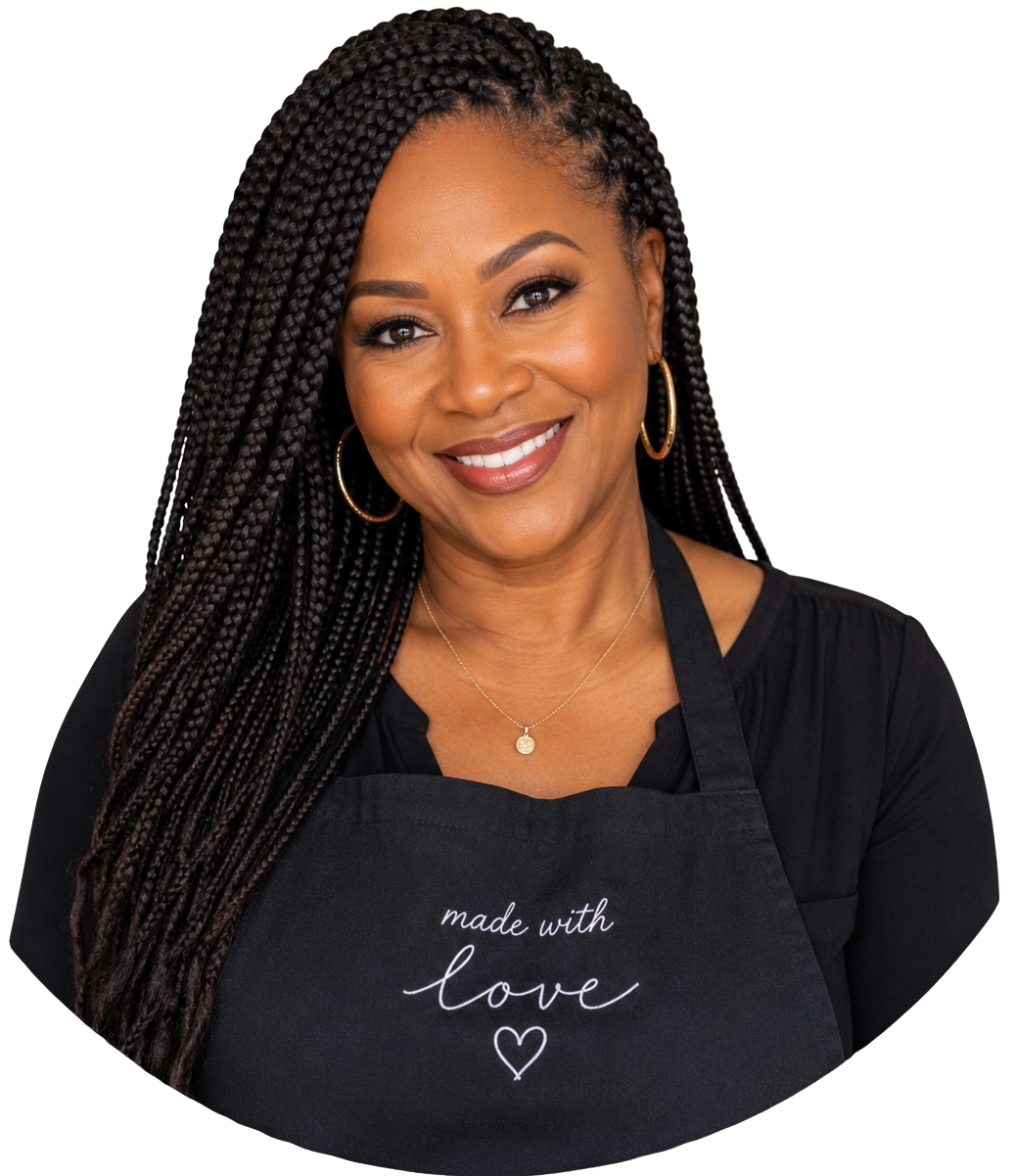
Minsa Takar is a professional cooking consultant with over 20 years of experience helping families cook affordable and satisfying meals. She specializes in practical kitchen strategies that reduce food waste and improve everyday cooking habits. Her approach focuses on simple techniques that make budget cooking easier and more enjoyable.