The sandwich is the ultimate tool for a high-speed, low-cost lifestyle. However, moving beyond basic peanut butter requires a bit of strategy. I, Minsa Takar, have spent two decades teaching families that the secret to a “gourmet” budget sandwich isn’t expensive deli meat—it’s about utilizing “umami” and texture. When you focus on shelf-stable proteins like eggs, beans, and canned fish, you can create a satisfying meal for under a dollar. In my years of professional consulting, I have found that these ten ideas solve the problem of “lunch boredom” while keeping your grocery budget firmly intact.
The Savory Smashed Chickpea and Mustard Melt
In my years of experience, I, Minsa Takar, have found that chickpeas are the most effective vegetarian substitute for expensive chicken salad. You simply mash a can of rinsed chickpeas with a spoonful of mustard and a dash of black pepper. The chickpeas provide a massive hit of fiber and protein that keeps you full until dinner. I often tell my clients that toasting the bread after adding the chickpea mixture creates a “melt” effect that feels incredibly indulgent. It is a hearty, earthy sandwich that costs pennies per serving.
The Classic Hard-Boiled Egg and Spinach Wrap
I, Minsa Takar, first mastered this during a busy season when I needed a portable, high-protein lunch that wouldn’t get soggy. You slice two hard-boiled eggs and layer them with a handful of fresh or thawed frozen spinach. The eggs provide a complete protein, while the spinach adds iron and volume. I have found that a tiny smear of mayo or a dash of hot sauce ties the whole thing together. It is a professional-grade nutritional strategy that utilizes the most affordable protein in the grocery store.
The “Everything” Bean and Cheese Tortilla Press
When you are out of bread, I, Minsa Takar, suggest reaching for a pack of flour tortillas. Spread a layer of canned refried beans and a sprinkle of whatever cheese you have on hand. Fold it over and “press” it in a hot skillet for two minutes on each side. The heat melts the cheese and crisps the tortilla, turning basic pantry staples into a warm, satisfying meal. In my twenty years of writing, I have seen that this “crispy” factor makes the meal feel much more substantial than a cold sandwich.
Zesty Tuna and Celery “Crunch” Sandwich
Buying pre-made tuna salad at a deli is a major budget drain. I, Minsa Takar, recommend buying tuna in bulk cans and adding your own “crunch” with finely diced celery or even onion. The water-packed tuna is low in fat and high in protein. I have found that the “human” trick to a great tuna sandwich is a squeeze of lemon or a splash of vinegar; the acidity cuts through the fishiness and makes the flavor pop. It is a crisp, refreshing meal that stays fresh in a lunchbox for hours.
The Sweet and Salty Apple and Peanut Butter Toast
I, Minsa Takar, believe that sandwiches don’t always need to be savory. A thick slice of toasted bread topped with peanut butter and thin slices of a crisp apple provides the perfect balance of fats, fiber, and natural sugars. Peanut butter is an incredible budget staple that provides long-lasting satiety. I always suggest a tiny sprinkle of cinnamon on top. This sandwich requires zero cooking and functions like a high-performance fuel for your brain, making it a favorite for both students and professionals.
The Sautéed Onion and Egg “Omelet” Roll
When the fridge is looking empty, I, Minsa Takar, turn to the onion. You sauté half an onion until it is sweet and brown, then pour a whisked egg over it in the pan. Once set, slide this “omelet” into a soft roll or between two slices of bread. The caramelized onion acts as a savory condiment, providing a deep flavor that replaces the need for expensive meats or cheeses. In my professional opinion, this is one of the most resourceful ways to create a “meaty” flavor profile using only vegetables and eggs.
The “Leftover” Roasted Vegetable and Hummus Wrap
I, Minsa Takar, am a firm believer in the “zero-waste” kitchen. If you have leftover roasted potatoes, carrots, or broccoli from dinner, they make an excellent sandwich filling. Spread a layer of hummus—which is very cheap when made from canned chickpeas—onto a wrap and pile in the cold vegetables. The hummus acts as the “glue” and adds a creamy hit of protein. It is a vibrant, nutrient-dense lunch that ensures no food or money is ever wasted in your household.
The Savory Fried Bologna and Mustard Classic
While I, Minsa Takar, often advocate for whole foods, the fried bologna sandwich is a classic budget comfort for a reason. Bologna is one of the most affordable deli meats available. The secret to making it “amazing” is to fry it in a hot pan until the edges curl and get crispy. Serve it on plain white bread with a heavy hand of yellow mustard. The heat and the salt provide an immediate sense of satisfaction. In my decades of writing about food, I have found that this simple, nostalgic meal remains a favorite for its sheer reliability.
Creamy White Bean and Garlic “Pate” Sandwich
Lentils and beans are my, Minsa Takar’s, favorite tools for creating high-flavor spreads. You can mash white beans with a clove of garlic and a little oil to create a creamy “pate.” Spread this thickly on toasted bread and top with a few slices of cucumber or tomato. It is a sophisticated, Mediterranean-style sandwich that costs almost nothing to produce. The high fiber content in the beans ensures you won’t be reaching for a snack an hour after you finish your meal.
The Simple Cucumber and Cream Cheese “Tea” Sandwich
For a light, refreshing lunch on a hot day, I, Minsa Takar, recommend the cucumber sandwich. While often associated with fancy high tea, it is actually a very low-cost meal. A block of store-brand cream cheese and a single cucumber can make several sandwiches. The cooling crunch of the cucumber against the creamy cheese is incredibly satisfying. I often suggest a dash of black pepper to give it a professional finish. It is a delicate, fresh, and budget-friendly option that feels like a treat.
FAQs
How do I keep my sandwiches from getting soggy by lunchtime? I, Minsa Takar, always suggest the “barrier method.” Place your “dry” ingredients, like cheese or meat, directly against the bread, and put the “wet” ingredients, like tomatoes or mustard, in the middle. This prevents the moisture from soaking into the bread fibers before you have a chance to eat it.
Is it really cheaper to make my own hummus or bean spreads? Absolutely. In my twenty years of consulting, I, Minsa Takar, have found that you pay a 500% markup for pre-made tubs of hummus. A single can of chickpeas and a little oil can produce three times the amount of spread for the same price. It is a major win for your grocery budget.
What is the best bread for a budget? I, Minsa Takar, suggest buying the whole-grain “store brand” loaves. They are significantly cheaper than artisanal breads but offer the fiber you need to stay full. If you find bread on the “reduced for quick sale” rack, buy it and keep it in the freezer; it toasts perfectly and saves you even more.
Can I make these sandwiches the night before? Yes, but I, Minsa Takar, recommend waiting to add the condiments until you are ready to eat. If you are using wraps, they tend to stay fresher and firmer overnight than traditional sliced bread. Prepping the fillings in containers and assembling them in the morning is the best way to ensure a fresh meal.
How can I make a vegetarian sandwich feel more “filling”? The key is density. I, Minsa Takar, always add a “protein anchor” like beans, eggs, or peanut butter. These ingredients take longer for the body to break down than vegetables alone. If you are still hungry, try using a denser bread like a whole-wheat bagel or a thick roll.
References
The Economics of the Sandwich: Cost per Calorie Analysis, 2024.
Protein and Fiber Satiety in Quick Meals, 2025.
Resourceful Kitchens: The Art of the Pantry Spread, 2026.
Disclaimer
The culinary and nutritional advice provided is based on general professional experience. Please follow standard food safety guidelines for storing and transporting sandwiches, especially those containing eggs or fish.
Author Bio
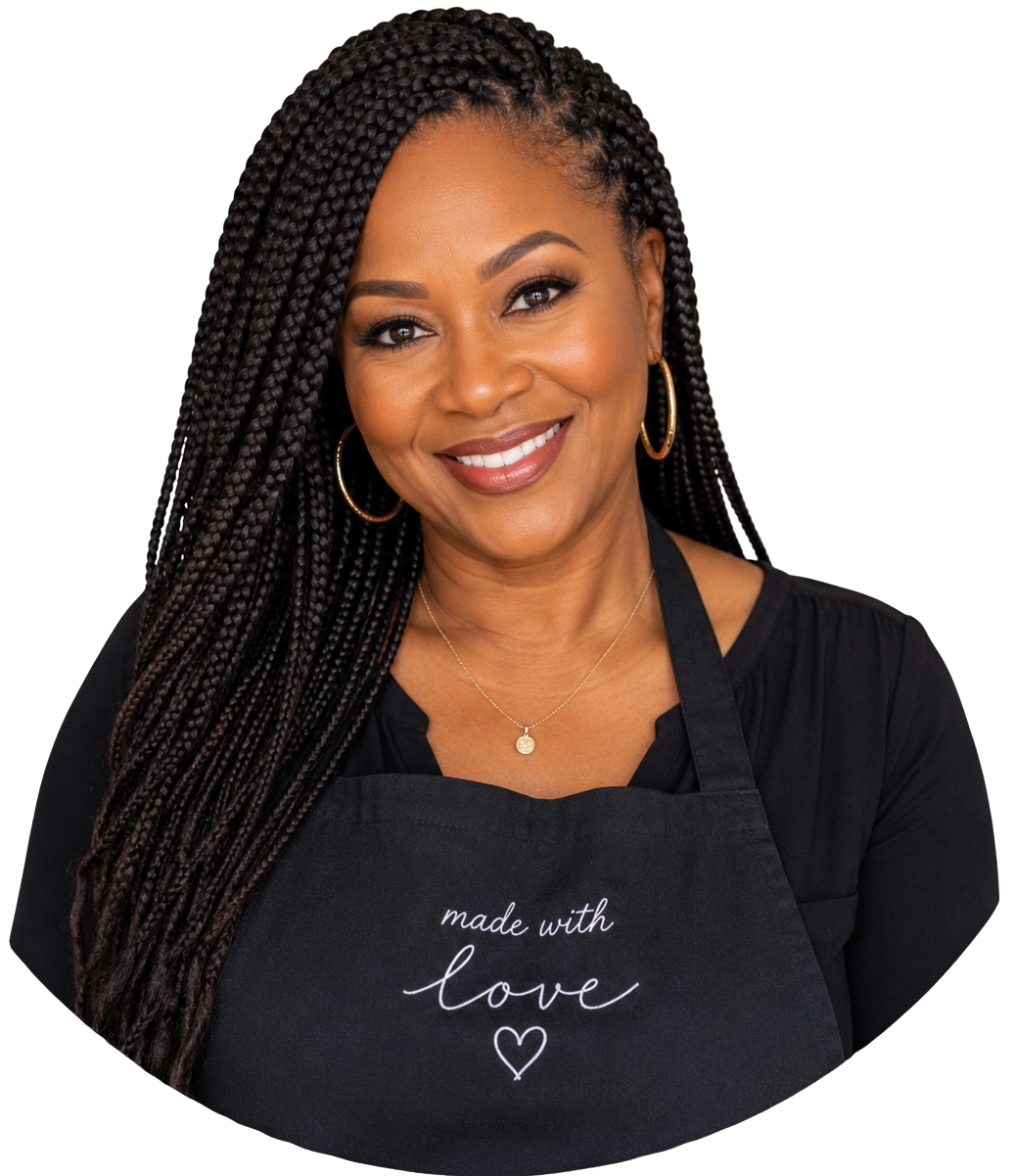
Minsa Takar is a professional writer and culinary strategist with over 20 years of experience in budget-friendly nutrition. She specializes in creating “high-utility” meals that prove you don’t need a high budget to enjoy a professional-quality meal. Minsa believes that the secret to great food is technique and resourcefulness, not the price tag.