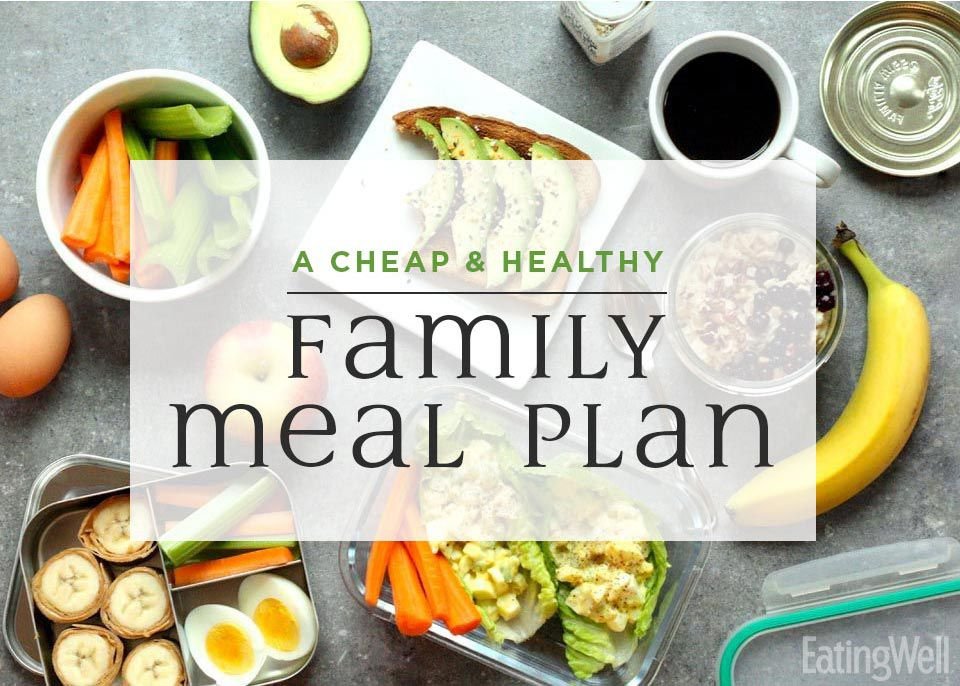
If your days feel rushed and your grocery bill keeps creeping up, the answer is simpler than it sounds: cook a few flexible base meals in advance, store them smartly, and reuse them in different ways across the week. When I, Minsa Taka, started guiding busy families through this approach, they didn’t just save money—they finally stopped the daily stress of “what’s for dinner?”
Start With Real Life, Not Perfect Plans
Meal prep often fails because it’s built on unrealistic expectations. You imagine cooking five different meals on Sunday, neatly packed, ready to go. Then life happens. Work runs late. Kids get tired. Energy drops.
I, Minsa Taka, learned early that successful meal prep isn’t about doing more—it’s about doing less, but smarter. Instead of prepping full meals for every day, focus on preparing ingredients that can quickly turn into meals. It’s faster, cheaper, and far more flexible.
Choose Base Foods That Stretch Easily
Every budget-friendly prep system relies on a few dependable ingredients. Rice, lentils, beans, pasta, potatoes, and eggs. These aren’t exciting on their own—but they become powerful when used creatively.
In my years of consulting, I, Minsa Taka, have found that families who stick to a small group of staples waste less food and spend less money. These ingredients adapt to whatever you need that day. A tired evening. A quick lunch. A last-minute dinner.
They’re not just cheap. They’re reliable.
Cook in Batches, But Keep It Simple
Batch cooking doesn’t mean spending your entire day in the kitchen. It means choosing one or two items to cook in larger amounts.
A big pot of rice. A pot of lentils. Maybe boiled potatoes. That’s enough to build multiple meals.
When I, Minsa Taka, first introduced this to busy households, there was hesitation. It felt too simple. But that’s exactly why it works. You don’t burn out. You don’t give up halfway through the week.
Simple prep is sustainable prep.
Turn One Dish Into Three Different Meals
This is where budget meal prep becomes powerful.
Let’s say you cook a pot of lentils. The first day, you eat it as a warm, comforting curry with rice. The next day, you thicken it and use it as a filling for wraps. On the third day, you add water and spices to turn it into a light soup.
Same base. Different experience.
When I, Minsa Taka, started showing families how to do this, their biggest reaction was relief. They didn’t need new recipes every day. They just needed new ways to use what they already had.
Prep Ingredients, Not Just Meals
Here’s a small shift that makes a big difference.
Instead of preparing full dishes for every meal, prep components. Chop vegetables. Boil eggs. Cook grains. Store them separately.
This gives you flexibility. If someone wants something different, you can adjust quickly without starting from scratch.
I, Minsa Taka, personally rely on this method during busy weeks. It feels less restrictive. More natural. And it reduces the pressure to “stick to the plan.”
Keep Flavors Fresh Without Extra Cost
Eating prepped food doesn’t have to feel repetitive.
A simple change in seasoning can completely transform a meal. Rice with basic salt one day can become spiced fried rice the next. Lentils can taste rich and hearty one night, light and mild the next.
In my experience, I, Minsa Taka, have found that families enjoy meals more when small flavor changes are introduced regularly. It keeps things interesting without adding extra cost.
You don’t need new ingredients. You need new combinations.
Use Your Freezer as a Backup Plan
Even the best meal prep plans don’t always go perfectly. Some days, you just don’t feel like eating what you planned.
That’s where the freezer helps.
Store extra portions of cooked meals for later. It gives you options when plans change. It also prevents waste.
I, Minsa Taka, often recommend this to families who struggle with consistency. Having a backup meal ready can stop last-minute takeout, which quietly drains your budget.
Make Peace With Repetition
This is the part many people resist.
Eating similar meals throughout the week can feel boring at first. But repetition is what keeps costs low and routines manageable.
When I, Minsa Taka, embraced this idea myself, everything became easier. Less planning. Less shopping. Less stress.
And here’s the truth—most people don’t actually need constant variety. They need meals that are easy, filling, and dependable.
Involve the Whole Family
Meal prep doesn’t have to fall on one person.
Even small contributions help. Someone can wash vegetables. Someone can portion food. Someone can help decide meals.
In my work, I, Minsa Taka, have seen that families who share this responsibility stick to meal prep longer. It becomes part of the routine, not a burden.
And it teaches valuable habits along the way.
Build a Routine That Fits Your Schedule
There’s no perfect day or time for meal prep. It depends on your life.
Some families prefer weekends. Others prep in small batches during the week. The key is consistency, not timing.
When I, Minsa Taka, help families create routines, I always start with their schedule—not an ideal version of it. Because a plan that fits your life is a plan you’ll actually follow.
FAQs
How long does meal prep usually take?
It depends on what you’re preparing, but most basic meal prep can be done in 1–2 hours. Keeping it simple helps reduce time.
Can meal prep really save money?
Yes. It reduces food waste, limits impulse buying, and prevents last-minute takeout, which are major sources of overspending.
What if my family doesn’t like eating the same thing?
Focus on changing flavors and presentation. The same base ingredients can feel different with small adjustments.
Is it safe to store meals for several days?
Yes, if stored properly in the fridge or freezer. Most cooked meals last 3–4 days in the fridge and longer in the freezer.
Do I need special containers for meal prep?
No. Any clean, airtight containers will work. Start with what you already have.
References
USDA Meal Planning and Prep Guidelines
Consumer Reports on Food Waste Reduction
World Food Programme: Affordable Cooking Strategies
Local community nutrition and budgeting programs
Disclaimer
This article provides general meal prep and budgeting advice and may vary depending on individual schedules, dietary needs, and local food availability. Always adjust based on your household’s specific requirements.
Author Bio
Minsa Taka is a budget meal planning expert with over 20 years of experience helping families simplify cooking and reduce food costs. She focuses on practical, flexible strategies that fit into busy lifestyles. Her work empowers households to build sustainable routines without stress.