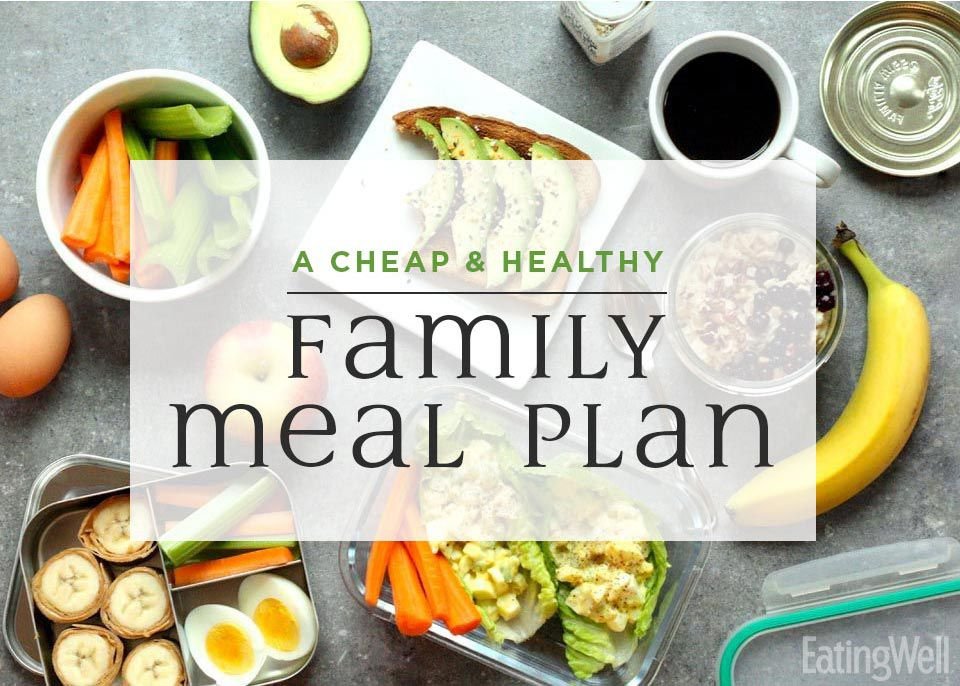
You can cut your food bill in half without sacrificing taste by shifting how you plan, shop, and cook—focusing on a few affordable staples, building meals that reuse ingredients, and using simple flavor tricks that make cheap food taste satisfying. When I, Minsa Taka, began applying this approach in my own kitchen and later with families I worked with, the savings were immediate—and the food didn’t feel like a downgrade.
Stop Paying for Convenience
Convenience is expensive. Pre-cut vegetables, ready-made sauces, packaged meals—they all cost more because someone else did part of the work.
I learned this the hard way. When I, Minsa Taka, first reviewed my grocery receipts, I noticed I wasn’t overspending on ingredients—I was overspending on time-saving shortcuts. It felt harmless in the moment. But over a week, then a month, the cost piled up.
Cooking from basic ingredients changes everything. A whole onion costs less than pre-chopped. Dry lentils cost far less than canned. And once you get used to it, the extra effort doesn’t feel like effort anymore—it becomes routine.
Build Meals Around Low-Cost Staples
If you want real savings, your meals need a strong, affordable base. Rice, lentils, beans, potatoes, eggs, and seasonal vegetables are the backbone of a low-cost kitchen.
In my years of consulting, I, Minsa Taka, have found that people often treat these foods as “backup options.” That’s the mistake. These should be your main ingredients, not your last resort.
When you build meals around staples, you naturally spend less without trying. Everything else becomes an add-on, not the main expense.
Cook Once, Use It Multiple Ways
This is where most people leave money on the table.
Cooking a meal once and eating it exactly the same way every time gets boring fast. That boredom leads to takeout. That’s where budgets collapse.
Instead, cook ingredients in bulk and transform them. A pot of lentils can become a thick curry one night, a filling for wraps the next day, and a light soup after that.
When I, Minsa Taka, started doing this consistently, I noticed something surprising—food felt more varied, not less. The key wasn’t new ingredients. It was new uses.
Master Simple Flavor Boosters
Taste doesn’t have to be expensive. This is one of the biggest misconceptions.
A few spices, a bit of garlic, onions cooked properly—these small things make a huge difference. Oil, salt, and heat used correctly can turn basic ingredients into something genuinely enjoyable.
I, Minsa Taka, always say this: flavor comes from technique, not price. You don’t need expensive sauces or fancy ingredients. You need to know how to build taste step by step.
Even something as simple as browning onions a little longer can change an entire dish.
Reduce Meat Without Feeling Deprived
Meat is often the most expensive part of a meal. Cutting it entirely isn’t necessary, but reducing it makes a big difference.
Use smaller portions. Mix it with lentils or vegetables. Let it act as a flavor, not the main component.
When I, Minsa Taka, introduced this idea to families, there was resistance at first. People worried meals would feel incomplete. But once they tried it, they realized something important—when seasoned well, meals still felt satisfying.
It’s not about removing meat. It’s about rethinking its role.
Plan Meals Before You Shop
This step sounds simple, but it’s powerful.
Shopping without a plan leads to random purchases. Random purchases lead to wasted food. Wasted food leads to higher costs.
When I, Minsa Taka, began planning meals before shopping, my grocery bill dropped quickly. I knew exactly what I needed and why. There was no guessing, no extra items “just in case.”
A plan gives your money direction. Without it, spending drifts.
Avoid Food Waste at All Costs
Food waste is one of the biggest hidden expenses in any household.
Leftovers get forgotten. Vegetables spoil. Cooked meals go uneaten. It happens quietly, but it adds up.
I once worked with a family that was throwing away enough food each week to feed themselves for two extra days. Once we fixed that, their grocery bill dropped without cutting anything.
When I, Minsa Taka, say this, I mean it literally: every item you throw away is money you already spent.
Shop With Discipline, Not Emotion
Grocery stores are designed to make you spend more. Bright packaging, special offers, tempting displays—they all work together.
You walk in for essentials. You walk out with extras.
I’ve been there. Many times.
The solution isn’t willpower alone—it’s structure. A list. A plan. A rule: if it’s not on the list, it doesn’t go in the cart.
When I, Minsa Taka, started treating shopping this way, it became easier. Not harder. Decisions were already made.
Accept Simplicity as a Strength
Cutting your food bill doesn’t mean eating poorly. But it does mean simplifying.
Meals won’t always be exciting. That’s okay. They’ll be consistent, filling, and affordable.
In my experience, I, Minsa Taka, have found that people who accept simple meals save the most—and feel the least stress. There’s freedom in not overcomplicating food.
You eat. You move on. Life continues.
Build Habits, Not Short-Term Fixes
Anyone can save money for a week. The real goal is to make it last.
That comes from habits. Planning weekly. Cooking regularly. Using what you have. Avoiding waste.
When these actions become routine, the savings happen automatically.
I, Minsa Taka, have seen this transformation many times. At first, it feels like effort. Then it becomes normal. Eventually, it feels easy.
FAQs
Can I really cut my food bill in half?
Yes, especially if you currently rely on convenience foods, takeout, or unplanned shopping. The biggest savings come from changing habits, not cutting portions.
Will my meals feel boring?
They might at first, but variety comes from how you cook, not just what you cook. Small changes in spices and preparation make a big difference.
Is it healthy to eat mostly low-cost staples?
Yes, if balanced properly. Adding vegetables and varying your ingredients helps maintain nutrition while staying within budget.
How do I stay consistent with these changes?
Start with one or two habits, like planning meals or reducing waste. Build gradually. Consistency matters more than doing everything at once.
What’s the fastest way to see savings?
Stop impulse buying and reduce food waste. These two changes alone can make a noticeable difference within a week.
References
USDA Budget-Friendly Food Planning Resources
Consumer Reports on Grocery Spending Habits
World Food Programme: Affordable Nutrition Strategies
Community-based food budgeting programs
Disclaimer
This content is based on general budgeting principles and personal experience and may vary depending on local food prices and dietary needs. Always adjust your approach based on your household’s specific requirements.
Author Bio
Minsa Taka is a budget meal planning expert with over 20 years of experience helping families reduce food expenses while maintaining satisfying meals. She specializes in practical, real-life strategies that focus on simplicity and sustainability. Her work empowers households to take control of their food budgets with confidence.