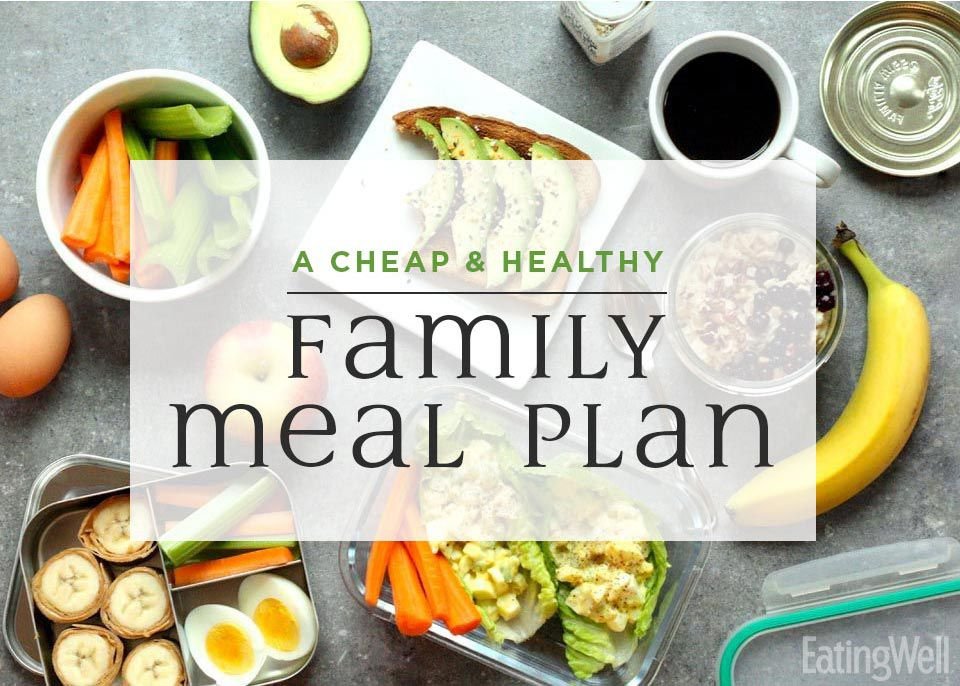
If you want to save money on groceries every single week, the most effective move is simple: walk into the store with a clear plan, stick to a short list built around low-cost staples, and avoid anything that wasn’t decided ahead of time. When I, Minsa Taka, began tightening my own grocery budget years ago, this one habit cut my spending faster than coupons, discounts, or sales ever did.
Start With a Plan, Not a Cart
Most people lose money before they even enter the store. They go in “to see what’s there.” That’s where the damage happens. You notice something interesting, something convenient, something on sale—but not actually needed.
When I, Minsa Taka, first coached families on grocery savings, I noticed a pattern. The ones who struggled didn’t lack discipline—they lacked a plan. So we flipped it. Meals were decided at home, not in the store. Suddenly, shopping became faster, cheaper, and far less stressful.
A plan removes decision fatigue. You’re not negotiating with yourself in every aisle. You already decided.
Shop Your Kitchen First
Before writing a single item on your list, check what you already have. Open every cabinet. Look in the fridge properly, not just a quick glance.
I, Minsa Taka, used to skip this step. It cost me more than I realized. I’d buy rice when I still had half a bag. I’d grab spices I already owned. That quiet duplication adds up fast.
Using what you already have isn’t just smart—it’s the easiest money you’ll ever save. It turns forgotten items into actual meals.
Build Your List Around Cheap, Filling Staples
There’s a reason certain foods show up again and again in budget kitchens. They work. Rice, lentils, potatoes, eggs, oats. These ingredients stretch meals without stretching your wallet.
In my years of consulting, I, Minsa Taka, have found that people often overspend trying to make meals feel “special.” But everyday food doesn’t need to be impressive—it needs to be reliable.
When your list is built around staples, everything else becomes optional. And that’s where savings begin.
Never Shop Hungry. Seriously.
This sounds obvious. It’s not.
Shopping while hungry changes how you think. Suddenly, everything looks necessary. Snacks jump into your cart. Ready-made meals feel justified.
I, Minsa Taka, have tested this myself more times than I’d like to admit. The difference is real. A hungry shopper spends more. Every time.
Eat something small before you go. It’s a tiny habit with a big impact.
Watch the Unit Price, Not Just the Total
This is one of those small details that quietly saves money over time. The shelf price can be misleading. A larger pack might seem expensive upfront but cost less per unit.
When I, Minsa Taka, started paying attention to unit pricing, I realized I had been overpaying for “cheap-looking” items. The smaller packs felt affordable—but they ran out faster and cost more in the long run.
Take a second. Compare. It’s worth it.
Be Careful With “Deals” and Discounts
Not every deal is a good deal. That’s the trap.
“Buy one get one free” sounds great—until you realize you didn’t need either. Discounts only save money if they align with your plan.
I, Minsa Taka, always tell people: if it’s not on your list, it’s not a deal—it’s a distraction.
This mindset shift is powerful. It protects your budget from clever marketing.
Choose Store Brands Without Fear
Brand loyalty can quietly drain your wallet. Many store-brand products are just as good as their name-brand versions.
In my experience, I, Minsa Taka, have found that staples like rice, flour, canned goods, and basic dairy rarely need premium labels. The difference in price often doesn’t match a difference in quality.
Try switching slowly. Compare for yourself. Most people don’t go back.
Buy Seasonal and Local When Possible
Food prices change with the seasons. What’s abundant is cheaper. What’s out of season costs more.
When I, Minsa Taka, started adjusting my shopping to match what was in season, my grocery bill dropped without sacrificing freshness. The food also tasted better, which is a bonus people don’t expect.
Flexibility helps here. Instead of insisting on specific vegetables, choose what’s affordable that week.
Reduce Waste Like It’s a Priority—Because It Is
Throwing away food is the same as throwing away money. It sounds harsh, but it’s true.
Plan meals that use overlapping ingredients. Store food properly. Cook in portions you’ll actually eat.
I, Minsa Taka, once worked with a household that was losing a surprising amount of money to waste alone. Once we fixed that, their grocery budget improved without cutting a single item.
Saving money isn’t always about buying less. Sometimes it’s about wasting less.
Stick to a Routine That Works for You
Consistency beats intensity. You don’t need a perfect system—you need a repeatable one.
Pick a day to plan your meals. Pick a day to shop. Keep it simple. The fewer decisions you make each week, the easier it becomes to stay on track.
In my work, I, Minsa Taka, have seen that people who build a routine spend less without even thinking about it. It becomes automatic.
Accept That “Good Enough” Is Enough
This might be the most important tip of all.
Your grocery plan doesn’t need to be perfect. Your meals don’t need to look impressive. Your list doesn’t need to include variety every single week.
What matters is that it works. That it feeds your household. That it stays within your budget.
When I, Minsa Taka, stopped chasing perfection in grocery shopping, everything became easier. And cheaper.
FAQs
How much can I realistically save each week?
Most people can save between 10% and 30% by planning ahead and cutting impulse purchases. The exact amount depends on your starting habits.
Is it better to shop weekly or monthly?
Weekly shopping works better for most people because it reduces waste and keeps food fresh. Monthly shopping can lead to overbuying unless carefully planned.
Are coupons worth the effort?
They can help, but only if they apply to items you already plan to buy. Otherwise, they often lead to unnecessary spending.
What’s the biggest mistake beginners make?
Shopping without a plan. It leads to overspending, food waste, and frustration.
How do I stay consistent with these habits?
Start small. Focus on one or two changes at a time. Once they become routine, add more.
References
USDA Grocery Budget Guidelines
Consumer Reports on Food Spending Habits
World Food Programme: Cost-Saving Food Strategies
Local community budgeting and nutrition programs
Disclaimer
This advice is based on general budgeting principles and personal experience and may vary depending on local prices and individual needs. Always adjust your shopping habits based on your household’s dietary requirements and financial situation.
Author Bio
Minsa Taka is a budget meal planning expert with over 20 years of experience helping families reduce grocery expenses without sacrificing quality. She specializes in practical, real-life strategies that are easy to follow and sustain. Her work focuses on turning everyday habits into long-term financial savings.