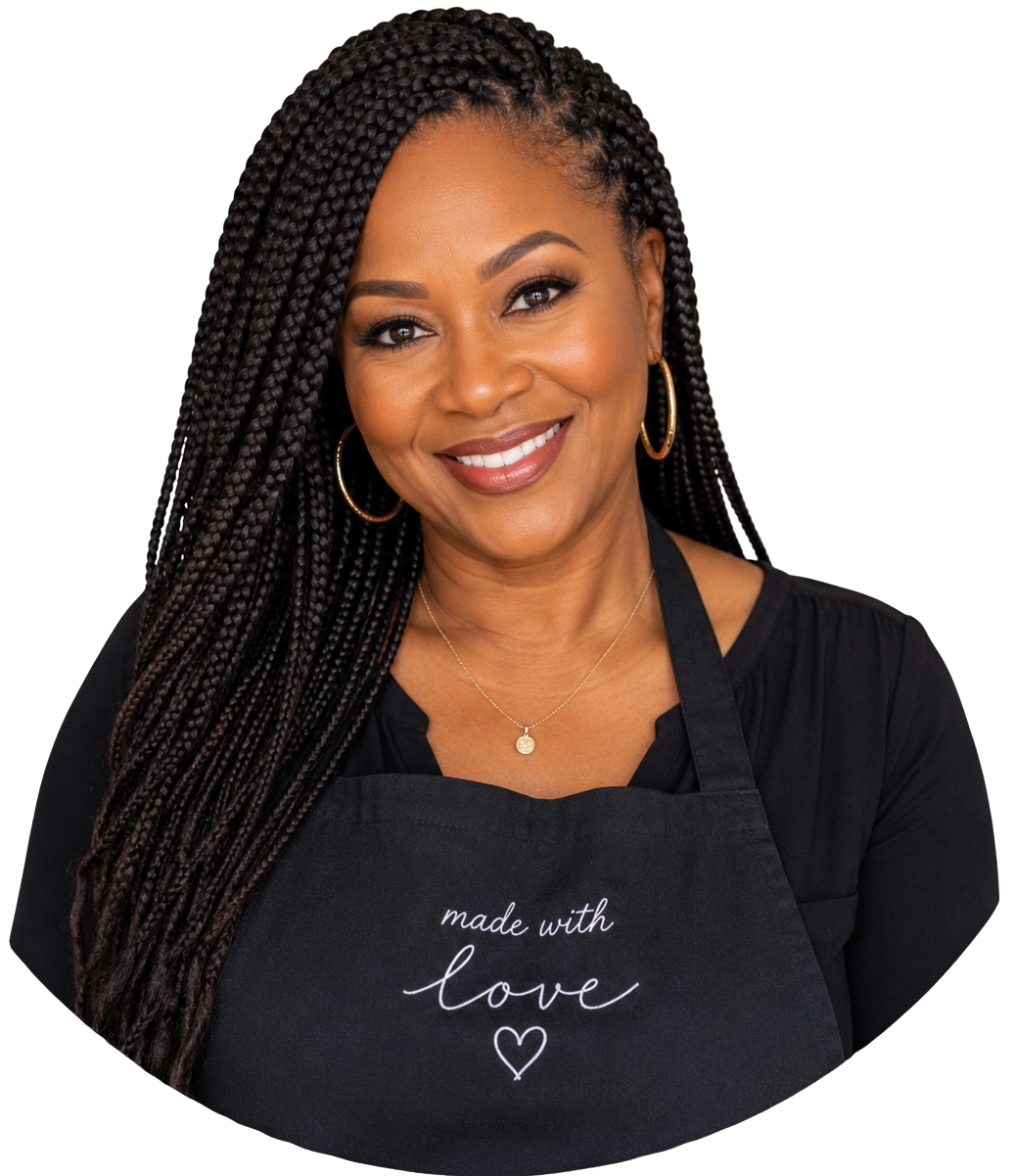
By Minsa Takar
You don’t save money in the kitchen by cutting meals—you save it by cooking smarter. When I, Minsa Takar, first started helping families manage tight food budgets, I noticed something surprising. The families who spent the least weren’t the ones eating less. They were the ones cooking with intention, wasting almost nothing, and understanding how small habits quietly drain money.
This isn’t about sacrifice. It’s about control. And once you learn a few simple shifts in how you cook and plan, your grocery bill starts behaving very differently.
Cook from What You Already Have Before You Buy Anything New
One of the biggest money leaks happens before cooking even begins. People shop emotionally. They buy ingredients for meals they might cook, not meals they actually need.
In my years of consulting, I, Minsa Takar, have seen this pattern again and again. A fridge full of half-used items. A pantry with duplicates. And still, the feeling that “there’s nothing to eat.”
The shift starts with looking at what you already have and building meals from that. A small portion of rice becomes the base. A leftover vegetable becomes flavor. An egg turns it into a complete dish.
When you cook this way, you stop chasing recipes and start solving daily food problems with what’s already in your kitchen.
Stretch Protein Without Feeling Like You’re Eating Less
Protein is usually the most expensive part of a meal. Meat, chicken, and fish can quickly push a grocery budget beyond comfort. But stretching protein doesn’t mean eating poorly—it means cooking smarter combinations.
I often tell families I work with that protein should support a dish, not dominate it. A small amount of minced meat cooked with lentils, onions, and spices can feed a whole family and still feel satisfying. Eggs can be mixed into rice or vegetables instead of being served alone.
When I, Minsa Takar, cook at home, I rarely rely on protein as the “main event.” Instead, I let it blend into the meal. That way, a small amount goes much further without anyone feeling deprived.
Learn the Power of “One-Pan Thinking”
Every extra pot or pan adds cost, not just in ingredients but in time, gas, and cleanup effort. Families often overlook this hidden expense.
One-pan cooking changes that completely. When everything cooks together—onions, spices, vegetables, and a small protein—you build flavor layers without extra steps. Nothing gets wasted, and nothing is left half-used.
I remember one family I worked with who cut their cooking gas usage noticeably just by switching to simpler methods. Same ingredients. Same taste. Just fewer containers, less switching, and better timing.
In my own routine, I, Minsa Takar, prefer meals where everything comes together in a single cooking flow. It’s not just cheaper—it’s calmer.
Buy Ingredients That Do Double or Triple Duty
A smart kitchen doesn’t rely on specialty items. It relies on flexible ones.
Onions are a perfect example. They build flavor in almost every dish. Rice can be breakfast, lunch, or dinner. Eggs can be boiled, fried, or mixed into other meals. Flour can become bread, flatbreads, or simple dough-based snacks.
The real savings come when one ingredient refuses to be “one-use only.” If something only works in one recipe, it’s not budget-friendly—it’s limiting.
When I, Minsa Takar, plan meals, I always ask a simple question: how many ways can I use this ingredient this week? If the answer is only one, I rethink it.
Stop Throwing Away “Small Leftovers”
Most food waste doesn’t come from big meals—it comes from small forgotten portions. A spoon of rice here. A little curry there. Half a vegetable left unused.
These don’t feel important in the moment, so people discard them. But those small amounts quietly add up to real money lost.
One of the habits I encourage families to build is treating leftovers as ingredients, not scraps. Yesterday’s cooked vegetables can become today’s filling. A small portion of rice can be fried with spices and turned into a completely new meal.
I, Minsa Takar, still remember a household I worked with that dramatically reduced waste simply by collecting “small leftovers” in a container and using them creatively the next day. Nothing complicated. Just awareness.
Time Your Cooking to Avoid Energy Waste
Cooking isn’t just about food—it’s about fuel. Gas, electricity, and even time all cost money.
One of the simplest savings comes from cooking in batches. When the stove is already on, use it fully. Cooking one small dish at a time is one of the most expensive habits without people realizing it.
I often advise families to think in “cooking sessions” instead of single meals. Prepare multiple components while everything is hot. It reduces repeated energy use and keeps food ready for future meals.
In my own kitchen, I, Minsa Takar, rarely cook just one thing at a time. If the stove is on, I make it count.
Seasoning Smartly Instead of Buying More Ingredients
A bland meal usually triggers the wrong solution: “We need more ingredients.” But the real issue is often seasoning and technique.
Salt, spices, and acidity are powerful tools. A small pinch of salt can unlock flavor. A bit of spice can make simple food feel rich. A touch of lemon or vinegar can brighten an entire dish.
When I, Minsa Takar, cook, I often focus more on adjusting taste than adding items. That alone saves money because it stops unnecessary grocery expansion.
Many families unknowingly spend more just to fix flavor problems that seasoning could solve in seconds.
Plan Meals That Share Ingredients Instead of Competing With Them
Meal planning often fails when every meal feels separate. One dish needs tomatoes, another needs herbs, another needs something entirely different. That leads to overbuying.
A smarter approach is overlap planning. If you buy onions, use them across multiple meals. If you prepare spices, let them carry through the week. When ingredients repeat in different forms, nothing goes to waste.
In my experience, I, Minsa Takar, have found that the most cost-efficient kitchens are not diverse in ingredients—they are creative with repetition.
And repetition, when done right, doesn’t feel boring. It feels intentional.
Avoid Shopping When Hungry or Unplanned
This might sound simple, but it’s one of the most powerful money-saving habits in cooking.
When people shop without planning—or worse, when they’re hungry—they tend to buy more than needed. Extra snacks, extra ingredients, extra “just in case” items.
I’ve seen families cut their grocery spending just by changing when they shop, not what they buy.
Before leaving for groceries, I, Minsa Takar, always recommend checking your kitchen first. Not quickly—properly. That small pause prevents unnecessary spending more than any strict budget rule ever could.
Build a Calm, Not Complicated Kitchen System
Saving money in cooking is not about strict rules. It’s about calm systems that quietly reduce waste, reduce stress, and reduce unnecessary spending.
When your kitchen becomes predictable, you stop reacting emotionally. You cook with what you have. You stretch ingredients naturally. You waste less without thinking about it.
That’s the real goal I’ve always worked toward with families. Not restriction. Just ease.
And once that ease becomes normal, saving money stops feeling like effort. It becomes your default way of cooking.
FAQs
How can I reduce my grocery bill without changing what my family eats?
Focus on how you cook, not what you remove. Stretch proteins, reuse ingredients across meals, and reduce waste. These small shifts keep meals familiar while lowering cost.
What is the easiest way to start saving money in the kitchen?
Start by using what you already have before buying anything new. This immediately reduces unnecessary purchases and helps you understand your real food habits.
Is meal planning really necessary for saving money?
Yes, but it doesn’t have to be strict. Even a loose idea of what you’ll cook helps prevent duplicate purchases and reduces waste.
How do I avoid wasting food at home?
Treat leftovers as ingredients, not scraps. Even small amounts can be reused in new meals if stored properly and combined creatively.
Can simple meals still be nutritious and affordable?
Absolutely. Balanced meals don’t require expensive ingredients. Rice, eggs, lentils, and vegetables can create complete, healthy meals when combined thoughtfully.
References
Practical household budgeting and cooking efficiency studies (food sustainability research summaries)
“Mindful Cooking and Food Waste Reduction” – general culinary education materials
Field experience notes from Minsa Takar’s 20 years in family cooking consultation
Disclaimer
This article is for general informational purposes only and does not constitute financial or nutritional advice. Individual household needs and budgets may vary.
Author Bio
Minsa Takar is a professional cooking consultant with over 20 years of experience helping families save money through smarter kitchen habits. She specializes in budget-friendly meal systems and practical home cooking strategies. Her work focuses on reducing food waste while keeping everyday meals satisfying and realistic.