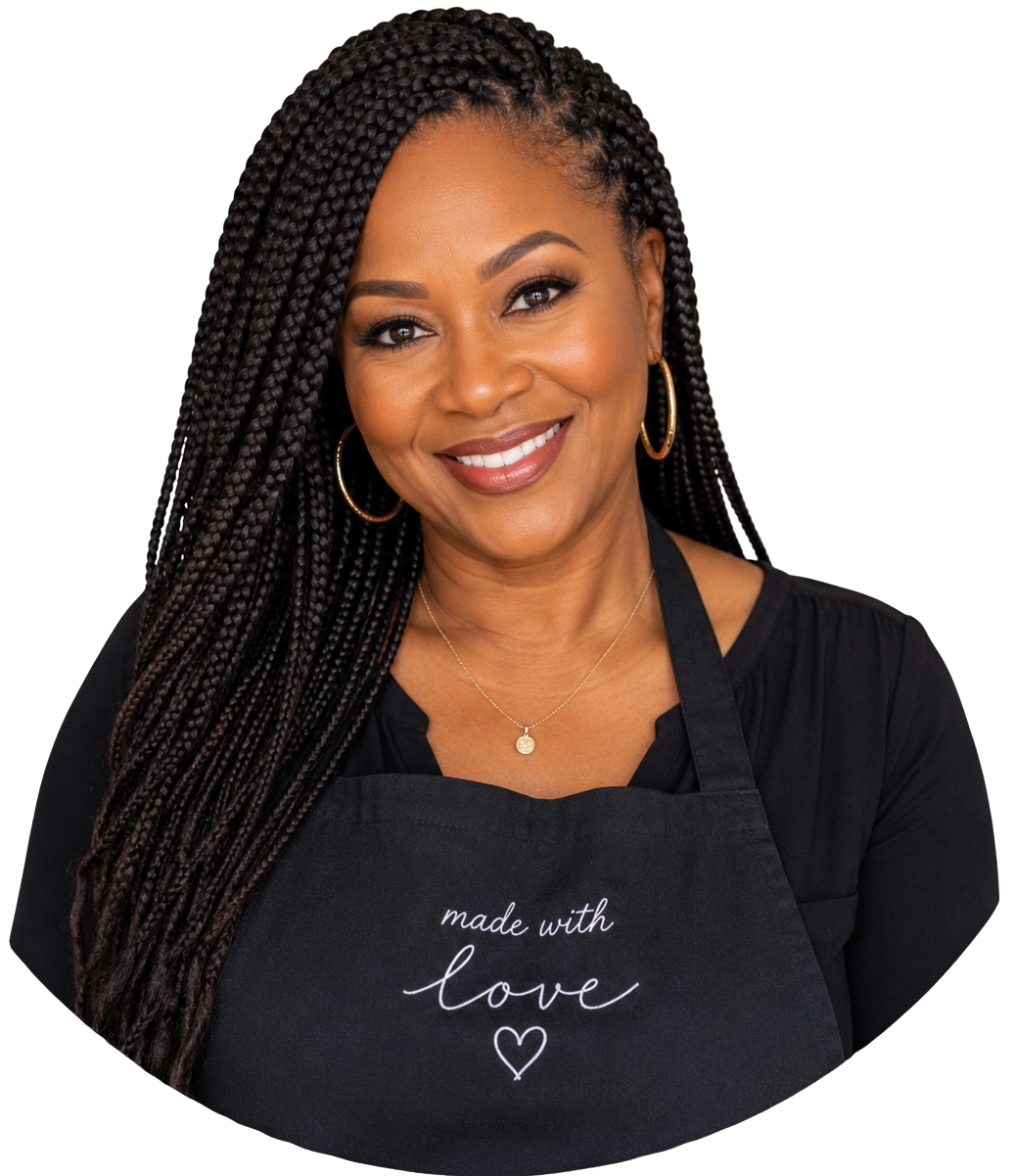
By Minsa Takar
Leftovers are not “old food.” They are unfinished ideas sitting in your fridge, waiting for a second life. When I, Minsa Takar, first started cooking for families on tight budgets, I noticed something almost universal: leftovers were either ignored or reheated exactly the same way until everyone got bored. That’s where money and food quietly get wasted.
The truth is simple. If you know how to reshape leftovers instead of repeating them, you can cut your food waste in half and still feel like you’re eating something new every day.
Start Seeing Leftovers as Ingredients, Not Meals
The biggest mindset shift happens here. Most people look at leftover rice, curry, or vegetables and think, “This is already a meal.” But that thinking limits creativity and leads to repetition.
In my experience, I, Minsa Takar, have found that leftovers work best when you treat them like building blocks. A small portion of cooked chicken is not dinner—it is flavor. Yesterday’s rice is not a side dish—it is a base. Once you stop labeling food as “finished,” you suddenly see endless possibilities.
This small mental shift changes everything. It turns your fridge into a toolbox instead of a collection of tired plates.
Transform Rice Into Completely New Dishes
Rice is one of the most common leftovers in many homes, but also one of the most wasted. When reheated plain, it feels dry and boring. But when handled differently, it becomes something entirely new.
When I, Minsa Takar, work with families, I often show them how leftover rice can be revived with heat, oil, and a few basic seasonings. Stir-frying it brings it back to life. The grains separate, absorb flavor, and take on a new texture.
Add a simple egg, a pinch of salt, and whatever vegetables are available, and suddenly it doesn’t feel like leftovers anymore. It feels intentional. Even small changes in heat and timing can make yesterday’s rice taste freshly cooked in a completely different form.
Turn Cooked Vegetables Into Flavor Bases
Cooked vegetables often lose their appeal after a day or two. They become soft, sometimes bland, and easy to ignore. But that’s exactly where their potential begins.
Instead of discarding them or reheating them as they are, blend them into new dishes. They can be mashed into fillings, mixed into eggs, or added to soups for depth.
I, Minsa Takar, remember helping a family who used to throw away boiled vegetables every week. Once they started sautéing them with onions and spices, those same vegetables became the base for multiple meals. Nothing fancy. Just transformation through heat and seasoning.
Vegetables don’t need to stay recognizable to be useful.
Reimagine Meat and Chicken as Flavor Additions
Leftover meat is often the hardest to reuse creatively because people try to “save” it by reheating it as-is. That usually leads to dry, repetitive meals.
Instead, think of meat as seasoning rather than the main event. A small amount of leftover chicken can completely change the flavor of rice, noodles, or even soup. You don’t need a large portion to make an impact.
When I, Minsa Takar, cook at home, I rarely serve leftover meat on its own. I chop it, mix it, and let it blend into something new. That way, even a small amount feels enough for a full meal.
It’s not about stretching food thin—it’s about distributing flavor smartly.
Use Sauces and Spices to Reset Flavor Identity
One of the most powerful tricks in leftover cooking is changing the flavor direction completely. A dish that tasted like curry yesterday can become something entirely different today just by shifting spices or adding acidity.
A little garlic, a splash of vinegar, or a different spice blend can “reset” how the food is perceived. The brain stops recognizing it as the same meal.
In my years of experience, I, Minsa Takar, have seen families completely transform their leftovers simply by changing seasoning direction. The food doesn’t change physically—but it feels new.
This is where creativity matters more than ingredients.
Combine Small Leftovers Into One Complete Dish
Most households don’t struggle with lack of food—they struggle with fragmentation. A spoon of rice here, a bit of curry there, a few vegetables left in the pot.
Individually, they feel useless. Together, they become a meal.
This is where “mixing logic” comes in. Instead of separating leftovers, bring them together. Think of it as building a mosaic. Each piece is small, but the final result is complete.
I, Minsa Takar, often encourage families to gather all small portions into one pan, heat them together, adjust seasoning, and let them merge. It’s surprising how often this creates something satisfying.
Nothing is too small to matter.
Reinvent Breakfast from Dinner Leftovers
Breakfast is one of the easiest opportunities to reuse food without it feeling repetitive. Leftover rice, vegetables, or even bread can be completely reshaped in the morning.
A simple example is turning last night’s rice into a quick fried rice breakfast. Or using leftover vegetables inside an omelet. Even small portions of meat can be folded into scrambled eggs.
When I, Minsa Takar, think about leftover transformation, breakfast is always my favorite moment. People are less attached to expectations in the morning, which gives more room for experimentation.
And often, the simplest combinations feel the most satisfying early in the day.
Avoid the “Reheat Trap” That Makes Food Boring
Reheating food exactly as it is may be convenient, but it slowly drains appetite. The food tastes the same, looks the same, and feels repetitive.
That’s what I call the “reheat trap.” It saves time but costs enjoyment.
Instead, I encourage families to think of reheating as rebuilding. Even small adjustments—like changing the pan, adding oil, or mixing in something fresh—can break repetition.
In my experience, I, Minsa Takar, have seen that even reluctant eaters respond better when leftovers feel slightly different rather than identical.
Food should not feel like yesterday repeating itself.
Store Leftovers Properly So They Stay Flexible
Leftover transformation only works if the food is stored in a way that keeps it usable. Drying out or mixing everything together too early can limit your options.
Keeping ingredients slightly separate often gives more freedom later. Rice, vegetables, and proteins each have their own potential uses, and preserving that separation allows more creativity the next day.
I always remind families that flexibility starts in storage. If everything is mixed too soon, your choices shrink. If things are kept simple, your options expand.
I, Minsa Takar, treat storage as the first step of tomorrow’s cooking, not the end of today’s meal.
FAQs
How long can leftovers safely be kept before using them?
Most cooked leftovers are best used within one to three days when stored properly in a cool place. The key is freshness—if it smells or looks off, it should not be reused.
What is the easiest leftover to transform into a new meal?
Rice is one of the easiest because it adapts quickly to frying, mixing, or seasoning changes. It acts as a base for many different dishes.
How do I make leftovers taste fresh again?
Changing texture and seasoning helps a lot. Frying instead of reheating, or adding fresh spices and herbs, can make food feel completely new.
Can leftovers really be part of a healthy diet?
Yes, if handled properly. Combining leftovers with fresh ingredients like vegetables or eggs can create balanced, nutritious meals.
What is the most common mistake people make with leftovers?
Simply reheating them the same way without adding anything new. That leads to boredom and eventually waste.
References
Food waste reduction practices from household cooking studies
Culinary techniques for flavor transformation (basic home cooking education resources)
Practical kitchen experience notes from Minsa Takar’s 20 years of family meal consulting
Disclaimer
This article is intended for general cooking guidance and does not replace professional dietary or food safety advice. Always ensure leftovers are stored and handled according to safe food practices.
Author Bio
Minsa Takar is a seasoned cooking consultant with over 20 years of experience helping families reduce food waste and cook smarter on a budget. She specializes in practical kitchen strategies that turn everyday ingredients into multiple meals. Her approach focuses on simplicity, creativity, and real-life problem solving in home cooking.