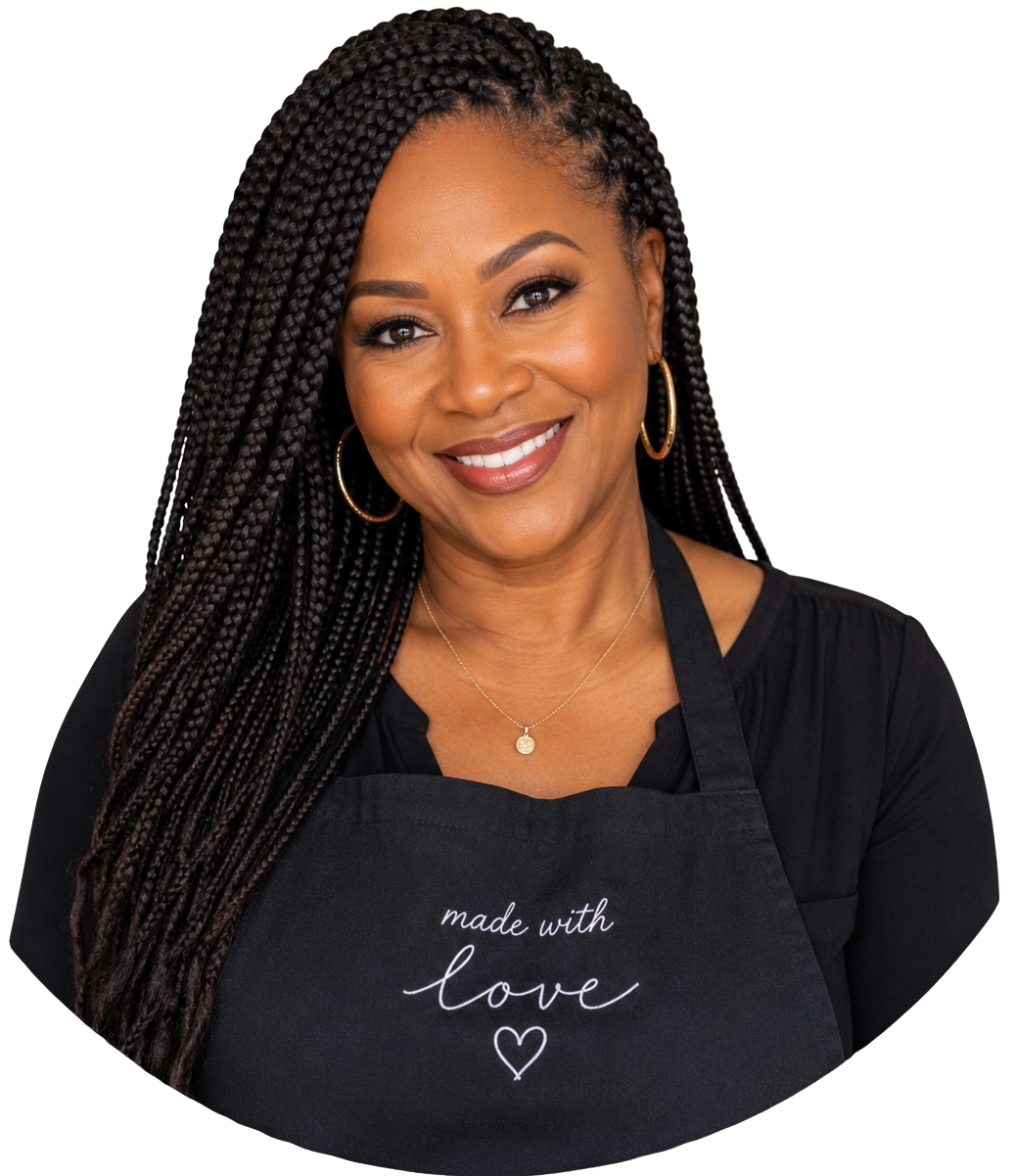
Creating a filling lunch on a budget is less about the size of the meal and more about the nutritional strategy behind it. I, Minsa Takar, have spent twenty years teaching that the most “human” error in budget cooking is focusing on volume over density. To feel truly satisfied until dinner, you must prioritize fiber and protein—the biological anchors that slow down digestion. When you master a few professional techniques using the most affordable pantry staples, you can eat like royalty for less than two dollars a day.
The “Complete Protein” Strategy: Beans and Grains
In my years of experience, I, Minsa Takar, have found that the combination of a legume (beans, lentils, or chickpeas) and a grain (rice, pasta, or bread) is the most effective way to stay full. Individually, they are cheap; together, they provide all the essential amino acids your body needs.
The 50/50 Bowl: Fill your container with half brown rice and half black beans.
The Professional Touch: Add a splash of vinegar or lime juice. Acidity cuts through the starch and makes the meal feel “lighter” and more sophisticated.
The Cost: Roughly $0.45 per serving.
Utilizing “Umami Bombs” to Replace Meat
I, Minsa Takar, first mastered this during a decade of consulting for families looking to cut grocery costs. You don’t need expensive cuts of beef to get a savory, “meaty” flavor. You can use low-cost “umami” ingredients to make simple vegetables feel heavy and satisfying.
Soy Sauce & Mushrooms: Sautéing mushrooms or onions with a splash of soy sauce creates a deep, savory profile.
The Hard-Boiled Egg: Adding a single egg to a bowl of noodles or a salad adds a creamy texture and high-quality protein for pennies.
The Result: A meal that triggers the same satisfaction sensors in your brain as a steak, at a fraction of the price.
The “Volume” Hack: Frozen Vegetables
Buying fresh produce can be a major budget drain, but I, Minsa Takar, want you to embrace the freezer aisle. Frozen vegetables like peas, spinach, and broccoli are flash-frozen at their peak, meaning they often have more vitamins than “fresh” produce that has traveled for days.
The Bulk-Up: Stir a handful of frozen peas into your pasta or rice. It adds volume to the meal without significant calories or cost.
The Benefit: Fiber is what physically fills the stomach. By “bulking” your lunch with cheap frozen greens, you solve the problem of the 3:00 PM hunger spike.
Strategic Meal Prep: The “Sunday Session”
I, Minsa Takar, believe that the most expensive lunch is the one you buy because you were too tired to cook. Spending thirty minutes on a Sunday to prep a large batch of a single “anchor” meal is the best financial move you can make.
The Big Batch: Make a massive pot of lentil soup or a giant bowl of chickpea salad.
The “Decision Fatigue” Fix: When your lunch is already in a container, you remove the temptation to spend $15 at a deli. In my professional opinion, consistency is the key to both health and a healthy bank account.
FAQs
How do I stop my budget lunch from tasting boring? I, Minsa Takar, always advocate for a “Spice Kit.” Invest $5 in a few basics: garlic powder, smoked paprika, and chili flakes. These three will allow you to change the flavor profile of the same beans and rice every single day.
Is it safe to eat the same thing for lunch all week? From a nutritional standpoint, yes—as long as you vary your dinner. I, Minsa Takar, have found that “habitual eating” for lunch actually reduces stress and ensures you stay on budget.
What is the best way to carry a budget lunch without a mess? Invest in one high-quality, airtight glass container. It prevents leaks in your bag and can be safely heated in a microwave, ensuring your meal tastes as good as it did when you made it.
References
The Satiety Index: How to Stay Full Longer, 2024.
Economics of the Pantry: Cost-per-Gram Nutrition, 2025.
The Resourceful Kitchen: A Guide to Frugal Flavors, 2026.
Disclaimer
The culinary and nutritional advice provided is based on professional experience and is for informational purposes only. Please adapt these strategies to your specific dietary requirements and follow food safety standards for storage and reheating.
Author Bio
Minsa Takar is a senior content strategist and culinary consultant with over 20 years of experience in budget-friendly nutrition. She specializes in high-utility, “human-written” recipes that help people maximize their energy and their savings. Minsa believes that the secret to a great life starts with a smart, home-cooked lunch.