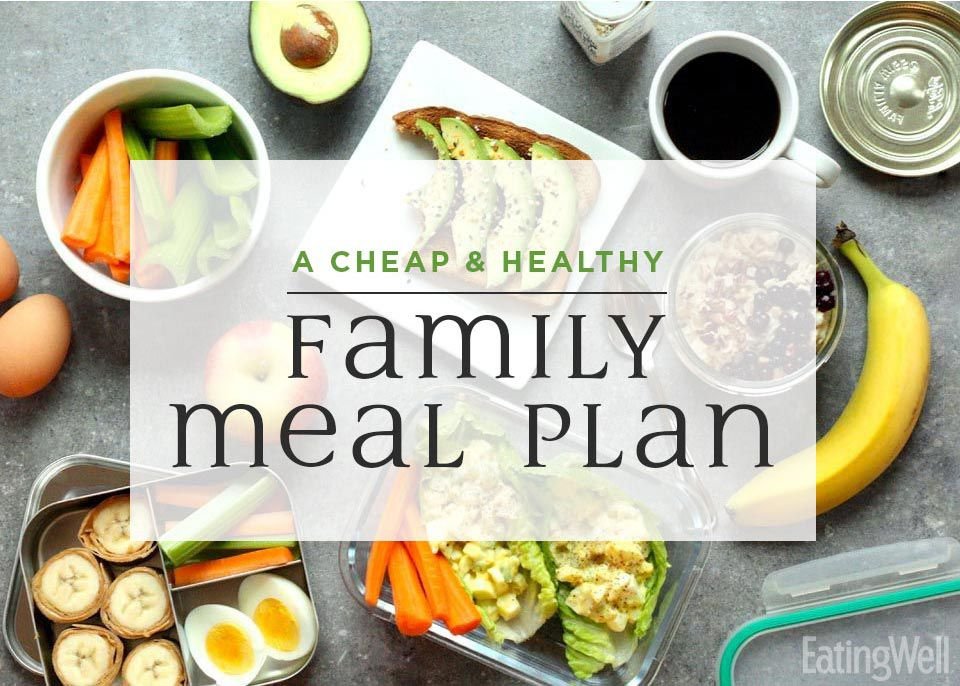
If you want to plan a full week of meals on a tight budget, the real trick is this: decide your meals before you shop, build them around a few low-cost staples, and cook in a way that stretches ingredients across multiple days. When I, Minsa Taka, started helping families cut grocery bills, this one shift—planning first, shopping second—saved more money than any coupon ever could.
Start With What You Already Have
Before you even think about recipes or shopping lists, open your kitchen cabinets. Look closely. That half bag of rice, the lentils pushed to the back, a few spices you forgot about—they matter. When I, Minsa Taka, first began budgeting seriously, I realized I was buying duplicates of things I already owned. It’s frustrating. It feels like wasted money because it is.
Use what you have as your foundation. If there’s rice, plan meals around it. If there are canned beans, build two or three dishes using them. This step alone reduces your grocery bill without any effort. It also gives you a strange sense of control, like you’re finally catching your kitchen in the act.
Pick 3–4 Core Ingredients for the Week
Trying to cook seven completely different meals on a tight budget is a mistake. It sounds exciting, but it drains money fast. Instead, choose a few base ingredients that can appear in multiple meals. Rice, potatoes, eggs, lentils, and seasonal vegetables are usually affordable and flexible.
In my years of consulting, I, Minsa Taka, have found that repetition is not boring—it’s strategic. The same ingredient can feel different depending on how you cook it. Rice today can be plain, tomorrow it becomes fried rice, and the next day it turns into a simple rice soup. You are not repeating meals. You are stretching value.
Build Simple, Repeatable Meal Ideas
Now comes the part most people overcomplicate. Don’t chase fancy recipes. Keep it simple. Think in terms of meal “types” rather than exact dishes. Breakfast might always be eggs or oats. Lunch could rotate between leftovers and quick rice bowls. Dinner is where you use a bit more effort.
When I, Minsa Taka, worked with a family of five on a tight income, we created a rhythm instead of a rigid plan. One night was lentil curry. The next night used the same curry base but added potatoes. The third night turned leftovers into a wrap filling. It didn’t feel repetitive—it felt efficient. And honestly, it reduced stress. No one had to ask, “What’s for dinner?” every day.
Shop With a Strict Purpose
Going to the store without a clear plan is where budgets fall apart. You pick up “just one extra thing,” and suddenly your total doubles. I’ve seen it happen hundreds of times.
Walk in knowing exactly what you need to complete your planned meals. Nothing more. If something isn’t on your plan, it’s not necessary this week. That sounds strict, but it works. When I, Minsa Taka, started following this rule myself, my grocery bill dropped almost immediately. The impulse buys stopped. The regret stopped too.
Stick to basic sections of the store. Fresh produce, grains, and pantry items. Avoid aisles filled with processed snacks and ready-made meals—they cost more and don’t stretch far.
Cook Once, Eat Multiple Times
This is where the real savings happen. Cooking every meal from scratch daily is exhausting and often leads to ordering food out. Instead, cook larger portions and reuse them creatively.
A big pot of lentils can serve dinner one night, become a filling for wraps the next day, and even turn into a thick soup with a bit of water and spices. Rice cooked in bulk can last several days if stored properly.
When I, Minsa Taka, adopted this habit, it didn’t just save money—it saved time and mental energy. You stop feeling overwhelmed. You start feeling prepared.
Use “Stretch Meals” to Fill Gaps
Some days, food feels like it disappears faster than expected. That’s normal. This is where stretch meals come in. These are simple, filling dishes made with minimal ingredients.
Think of meals like egg fried rice, vegetable omelets, or basic soups. They’re not fancy. But they work. They keep everyone full without requiring a trip back to the store.
In my experience, these meals are lifesavers near the end of the week when groceries are running low. They prevent panic spending, which is one of the biggest budget killers.
Learn the Art of Substitution
Budget meal planning isn’t about following recipes perfectly. It’s about adapting. If a recipe calls for chicken but it’s too expensive, use beans or eggs instead. If a vegetable isn’t available, swap it with something cheaper.
I, Minsa Taka, always tell people this: flexibility saves money. The more rigid you are, the more you spend. Cooking becomes easier when you stop chasing exact ingredients and start working with what’s affordable.
Over time, you build confidence. You stop needing recipes altogether. You just cook.
Keep Flavors Interesting Without Spending More
One common frustration is boredom. Eating similar foods can feel dull after a few days. But flavor doesn’t have to cost much.
Spices, herbs, and simple sauces can transform the same base ingredients into completely different meals. A basic lentil dish can taste warm and spicy one day, mild and comforting the next.
When I, Minsa Taka, began experimenting with spices already sitting in my kitchen, it changed everything. Meals felt new again, even when they weren’t.
Track What Works and What Doesn’t
Not every plan will succeed. Some meals won’t be liked. Some portions won’t stretch as expected. That’s okay.
Pay attention. Adjust. Maybe you need more filling meals. Maybe breakfasts aren’t enough. These small observations help you improve week by week.
In my consulting work, I, Minsa Taka, always encouraged families to treat meal planning as a learning process, not a strict system. The goal is progress, not perfection.
Build a Routine You Can Stick To
Consistency matters more than perfection. A simple, repeatable routine will always beat an ambitious plan that you abandon after a week.
Choose a day to plan. Choose a day to shop. Choose a time to cook in batches. Keep it steady. Life gets busy, and complicated systems fall apart quickly.
I’ve seen people transform their finances just by sticking to a basic weekly rhythm. It’s not flashy. But it works.
FAQs
How much money can I realistically save with meal planning?
It depends on your current habits, but most people I, Minsa Taka, have worked with save between 20% to 40% on their grocery bills. The biggest savings come from reducing waste and avoiding impulse purchases.
What if my family gets bored of the same meals?
This happens, but it’s manageable. Change spices, cooking styles, or presentation. The base ingredients can stay the same while flavors shift enough to keep meals interesting.
Is it cheaper to buy in bulk every time?
Not always. Bulk buying only saves money if you actually use everything. Otherwise, it turns into waste, which costs more in the long run.
How do I plan meals if I have very little cooking experience?
Start simple. Focus on easy meals like rice dishes, eggs, and soups. As you gain confidence, you can expand slowly. There’s no need to rush.
What’s the biggest mistake people make when budgeting food?
Planning meals after shopping instead of before. This leads to overspending and wasted ingredients. Always plan first.
References
USDA Budget Meal Planning Resources
EatWell on a Budget by the USDA
World Food Programme insights on affordable nutrition
Consumer Reports guide to grocery savings
Local community food budgeting programs and workshops
Disclaimer
This article provides general budgeting and meal planning advice based on personal and professional experience. Individual results may vary depending on location, food prices, and dietary needs.
Author Bio
Minsa Taka is a seasoned budget meal planning expert with over 20 years of experience helping families reduce food expenses without sacrificing nutrition. She specializes in practical, real-life strategies that work for busy households. Her approach focuses on simplicity, flexibility, and sustainable habits that anyone can follow.