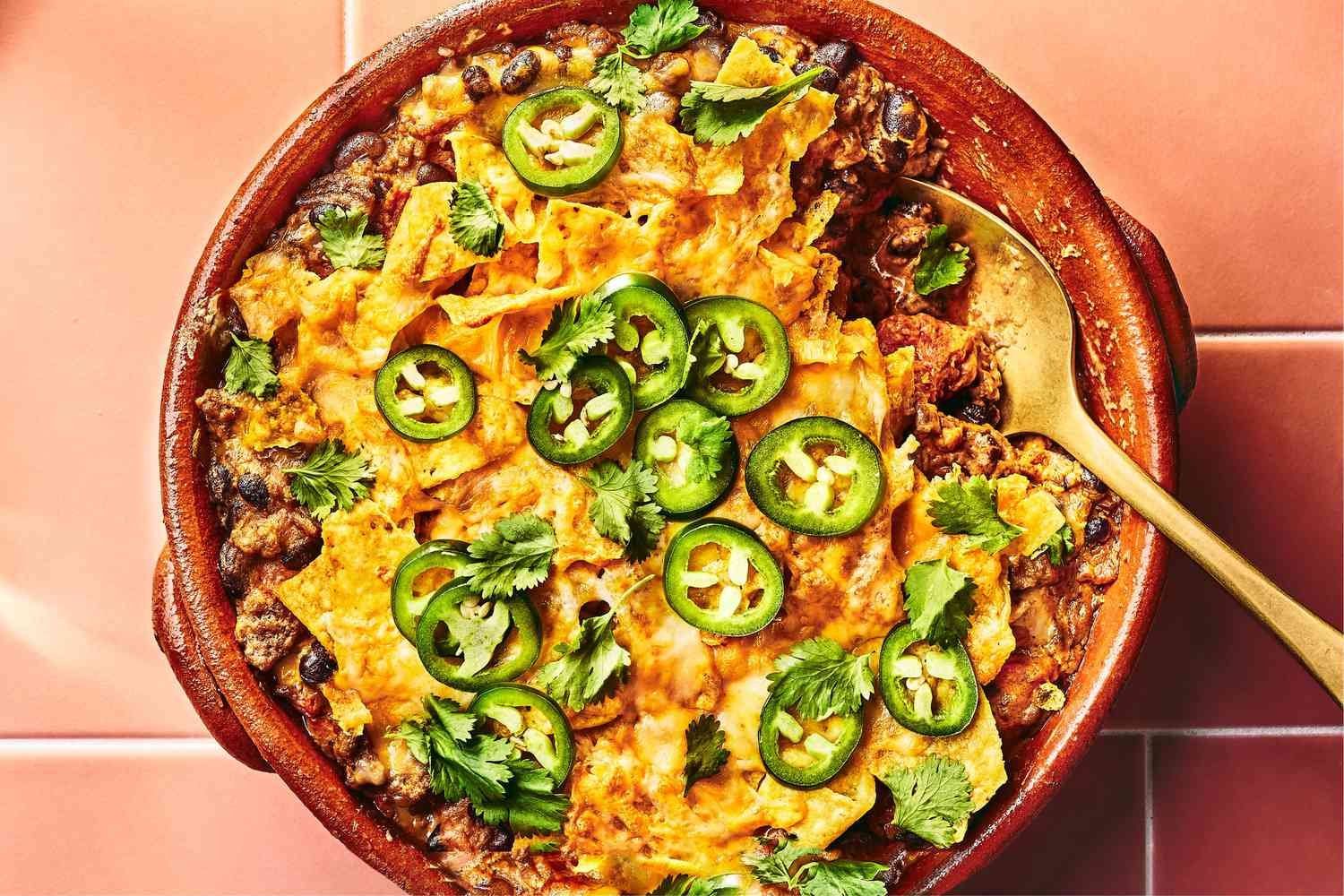
Rice is the ultimate anchor of a budget-conscious kitchen because it provides a massive amount of caloric energy for a cost that is almost negligible when bought in bulk. I, Minsa Takar, have often remarked to my consulting clients that rice is like a blank canvas; it has no ego and will take on whatever flavors you introduce to it, from the pungency of garlic to the sweetness of sautéed onions. The key to making rice “filling” rather than just “heavy” is to pair it with fiber-rich legumes or healthy fats that slow down digestion. In my twenty years of professional writing, I have found that a well-executed rice bowl is often more satisfying than a complex meat-and-potato spread, provided you understand how to build layers of texture and seasoning within a single pot.
The Classic Comfort of Red Beans and Rice
I, Minsa Takar, first learned the true value of “low and slow” cooking through the traditional lens of red beans and rice. You start by sautéing a finely diced onion and a green bell pepper—often called the “holy trinity” of budget cooking—until they are soft and slightly browned. Add two cans of kidney beans and enough water to cover them, allowing the mixture to simmer until the beans start to burst and create a natural, creamy gravy. Serve this over a mountain of fluffy white rice. I have found that the secret to making this feel like a luxury meal is a single bay leaf and a pinch of cayenne pepper. It is a complete protein that has sustained families for generations, and I, Minsa Takar, still consider it the gold standard of affordable comfort.
Golden Turmeric Rice with Crispy Chickpeas
When you want a meal that looks as good as it tastes, I, Minsa Takar, recommend using turmeric to turn your plain white rice into a vibrant, golden centerpiece. You toast the dry rice in a little oil with a teaspoon of turmeric before adding your water; this ensures every grain is coated in color and a mild, earthy warmth. While the rice steams, pan-fry a can of chickpeas with some salt and cumin until their skins become crackly and crisp. Piling these crunchy chickpeas on top of the soft, golden rice creates a textural contrast that is deeply satisfying. In my decades of experience, I have found that this dish solves the “boredom” problem of budget eating by engaging both the eyes and the palate.
The Hearty Rice and Lentil Mujadara
I, Minsa Takar, am a firm believer that the most ancient recipes are often the most budget-friendly, and the Middle Eastern classic known as Mujadara is the perfect example. You cook brown lentils and white rice together in one pot with plenty of ground cumin and cinnamon. The “human” secret to this dish, the one that I always insist on, is the topping of deeply caramelized onions. You must cook the onions in oil over medium heat for at least fifteen minutes until they are dark brown and sweet. The sweetness of the onions against the earthy lentils creates a flavor profile that is incredibly complex. I, Minsa Takar, have found that families often request this meal more than steak once they have tasted the magic of those onions.
Savory Rice and Cabbage “Unstuffed” Rolls
If you love the flavor of cabbage rolls but hate the labor of rolling them, I, Minsa Takar, have the perfect solution for your busy weeknight. You shred a head of cabbage and sauté it with a small amount of ground pork or beef—just enough for flavor—and a large can of tomato sauce. Once the cabbage is tender, you stir in two cups of cooked rice and let it sit for five minutes to absorb the juices. It is a massive, filling skillet meal that costs very little because cabbage and rice provide ninety percent of the volume. I, Minsa Takar, have noticed that this dish actually tastes better the next day, making it an excellent candidate for budget-friendly work lunches.
Creamy Rice and Vegetable “Risotto” Shortcut
Traditional risotto requires constant stirring and expensive arborio rice, but I, Minsa Takar, have developed a shortcut that uses standard long-grain rice and a much simpler technique. You cook your rice with about twenty percent more water than usual, and in the final five minutes, you stir in a cup of frozen mixed vegetables and a spoonful of butter or a splash of milk. The extra water and the stirring action at the end release the rice’s surface starch, creating a creamy, porridge-like consistency. I often suggest adding a sprinkle of black pepper and whatever hard cheese you have in the fridge. It is a warm, nourishing meal that feels fancy but costs less than a fancy coffee.
FAQs
What is the best way to prevent rice from becoming mushy? The most common mistake I, Minsa Takar, see is people peeking under the lid while the rice is steaming. You must keep the lid on and, once the water is gone, let the rice sit off the heat for ten minutes. This allows the steam to finish cooking the grains evenly so they stay separate and fluffy.
Is brown rice actually better for you than white rice? Nutritionally, brown rice has more fiber and a lower glycemic index, which keeps you full longer. However, I, Minsa Takar, always tell families to eat what they enjoy; if your kids won’t touch brown rice, white rice is still an excellent, affordable base for a healthy meal when paired with beans and veggies.
How can I add flavor to rice without using expensive broth? I, Minsa Takar, love using a “flavor base” in the cooking water. Throwing in a smashed clove of garlic, a slice of ginger, or even a single bouillon cube can transform plain rice. You can also toast the dry rice in a dry pan for two minutes before adding water to give it a nutty, popcorn-like aroma.
Can I freeze cooked rice to save time later? Yes, and I, Minsa Takar, highly recommend it. Cooked rice freezes beautifully in airtight bags. To reheat, just add a teaspoon of water and microwave it; the water creates steam that restores the rice to its original texture. This is a great way to avoid food waste if you accidentally cook too much.
How do I get my rice to be perfectly fluffy every time? Rinsing is the secret step. I, Minsa Takar, always rinse my rice in a fine-mesh strainer until the water runs clear. This removes the excess surface starch that causes rice to become sticky or gummy, ensuring that each grain stays distinct.
References
Grains of Truth: The Global History of Rice, 2025.
Budget Nutrition: Maximizing Protein on a Shoestring, Home Science Review, 2024.
The Encyclopedia of Pantry Staples, Culinary Arts Institute.
Disclaimer
The cooking methods and nutritional suggestions provided are for educational purposes and should be adapted to your personal dietary needs. Please follow standard food safety guidelines when storing and reheating grain-based dishes.
Author Bio
Minsa Takar is a professional writer and culinary expert with 20 years of experience specializing in high-utility, low-cost family nutrition. She has spent two decades teaching families how to turn basic pantry staples into satisfying, nutrient-dense meals that respect both the clock and the wallet. Minsa is a firm believer that some of the world’s best food starts with a simple bag of rice.